
Civil Rights & Justice
Following developments in civil rights, criminal justice reform, voting rights, Supreme Court decisions, policing accountability, and the ongoing struggle for equality and justice across American institutions.
Latest Developments

Democrats warn Colorado governor against commuting sentence of election denier
Congressional Democrats are urging Gov. Jared Polis of Colorado not to commute the sentence of Tina Peters, a convicted felon and election denier who challenged the 2020 presidential results. Peters was convicted of crimes related to her actions as Mesa County clerk, and Democrats argue that clemency would undermine the justice system and diminish accountability for her offenses. The warning reflects broader Democratic concern about using executive clemency to benefit those convicted of election-related crimes, a move they view as politically motivated. Polis, a Democrat, has faced pressure from President Trump on the matter, creating tension between state and federal politics over criminal justice decisions.

California sheriff running for governor seizes more than a half million ballots from 2025 election - CNN
A California sheriff who is running for governor has seized more than 500,000 ballots from the 2025 election. The seizure represents an extraordinary intervention in the electoral process by a law enforcement official with a stake in the race's outcome. Such action raises immediate questions about the legal authority for ballot confiscation and the legitimacy of the 2025 results in California. Election officials and state authorities will likely face pressure to clarify whether the seizure is lawful and what procedures govern the handling of the ballots. The incident occurs amid heightened national scrutiny of election security and integrity claims.

Trump Says He Is the ‘Least Racist’ President. But His Term Echoes a Grim Past.
President Trump has characterized himself as the "least racist" president, but historians and critics are drawing parallels between his administration and Woodrow Wilson's presidency, particularly regarding racial policies and rhetoric. Wilson's era, marked by segregation and discrimination, is being invoked as a historical comparison point to evaluate Trump's current term. The comparison reflects broader concerns among critics about the direction of racial policy under the Trump administration. Historians are revisiting Wilson's record—including his expansion of segregation in federal government—as a lens through which to assess contemporary developments. The framing suggests a debate over Trump's legacy on race that will likely persist through his presidency.

GOP California governor candidate seizes over 500,000 ballots in disputed election probe - The Independent
A GOP California gubernatorial candidate has seized over 500,000 ballots as part of a disputed election probe, according to reporting by The Independent. The candidate's involvement in the ballot seizure suggests an ongoing legal or investigative dispute over election integrity or vote counting procedures in California. Such large-scale ballot seizures are extraordinary and typically signal serious concerns about electoral processes, though the specific legal grounds and outcomes remain contested. The action underscores tension between election officials and political candidates regarding ballot handling and verification. The seizure's validity and any legal consequences will likely depend on court rulings and the candidate's ability to justify the action under California law.

California sheriff running for governor seizes more than a half million ballots from 2025 election - AP News
A California sheriff running for governor has seized more than 500,000 ballots from the 2025 election, according to an AP report. The seizure represents an extraordinary intervention in the electoral process by a law enforcement official who is himself a candidate in the race. Such large-scale ballot confiscation raises immediate questions about the validity of election results and the propriety of a candidate's campaign apparatus exercising control over voting materials. The action could trigger legal challenges and federal scrutiny, as ballot handling and custody are strictly regulated under state and federal election law. The seized ballots' chain of custody and their ultimate disposition will likely become central to any dispute over the election's legitimacy.
Key Facts
Supreme Court decisions continue to shape civil rights landscape
Source: Supreme Court
Voting rights legislation and challenges remain active in multiple states
Source: State legislatures
Criminal justice reform efforts face both progress and setbacks
Source: Department of Justice
Police accountability measures are evolving at local and federal levels
Source: Various agencies
Recent Highlights
New voting rights challenges filed in federal courts
Latest Supreme Court term addresses key civil rights cases
Full Coverage (839 articles)
Showing 20 of 839 articles
Democrats warn Colorado governor against commuting sentence of election denier
Congressional Democrats are urging Gov. Jared Polis of Colorado not to commute the sentence of Tina Peters, a convicted felon and election denier who challenged the 2020 presidential results. Peters was convicted of crimes related to her actions as Mesa County clerk, and Democrats argue that clemency would undermine the justice system and diminish accountability for her offenses. The warning reflects broader Democratic concern about using executive clemency to benefit those convicted of election-related crimes, a move they view as politically motivated. Polis, a Democrat, has faced pressure from President Trump on the matter, creating tension between state and federal politics over criminal justice decisions.
California sheriff running for governor seizes more than a half million ballots from 2025 election - CNN
A California sheriff who is running for governor has seized more than 500,000 ballots from the 2025 election. The seizure represents an extraordinary intervention in the electoral process by a law enforcement official with a stake in the race's outcome. Such action raises immediate questions about the legal authority for ballot confiscation and the legitimacy of the 2025 results in California. Election officials and state authorities will likely face pressure to clarify whether the seizure is lawful and what procedures govern the handling of the ballots. The incident occurs amid heightened national scrutiny of election security and integrity claims.
Trump Says He Is the ‘Least Racist’ President. But His Term Echoes a Grim Past.
President Trump has characterized himself as the "least racist" president, but historians and critics are drawing parallels between his administration and Woodrow Wilson's presidency, particularly regarding racial policies and rhetoric. Wilson's era, marked by segregation and discrimination, is being invoked as a historical comparison point to evaluate Trump's current term. The comparison reflects broader concerns among critics about the direction of racial policy under the Trump administration. Historians are revisiting Wilson's record—including his expansion of segregation in federal government—as a lens through which to assess contemporary developments. The framing suggests a debate over Trump's legacy on race that will likely persist through his presidency.
GOP California governor candidate seizes over 500,000 ballots in disputed election probe - The Independent
A GOP California gubernatorial candidate has seized over 500,000 ballots as part of a disputed election probe, according to reporting by The Independent. The candidate's involvement in the ballot seizure suggests an ongoing legal or investigative dispute over election integrity or vote counting procedures in California. Such large-scale ballot seizures are extraordinary and typically signal serious concerns about electoral processes, though the specific legal grounds and outcomes remain contested. The action underscores tension between election officials and political candidates regarding ballot handling and verification. The seizure's validity and any legal consequences will likely depend on court rulings and the candidate's ability to justify the action under California law.
California sheriff running for governor seizes more than a half million ballots from 2025 election - AP News
A California sheriff running for governor has seized more than 500,000 ballots from the 2025 election, according to an AP report. The seizure represents an extraordinary intervention in the electoral process by a law enforcement official who is himself a candidate in the race. Such large-scale ballot confiscation raises immediate questions about the validity of election results and the propriety of a candidate's campaign apparatus exercising control over voting materials. The action could trigger legal challenges and federal scrutiny, as ballot handling and custody are strictly regulated under state and federal election law. The seized ballots' chain of custody and their ultimate disposition will likely become central to any dispute over the election's legitimacy.

Cuba's second power cut in a week leaves 10 million in darkness - BBC
Cuba experienced its second major power outage in a week, leaving approximately 10 million people without electricity. The blackouts reflect the island nation's severe energy crisis, driven by aging power infrastructure, fuel shortages, and an inability to maintain and repair generation facilities. These widespread outages have disrupted daily life across the country, affecting hospitals, businesses, water systems, and transportation. Cuba's energy troubles stem from years of economic hardship, limited access to foreign currency for fuel imports, and decades-old equipment that requires replacement. The recurring blackouts underscore the deepening economic and infrastructure challenges facing the Caribbean nation.
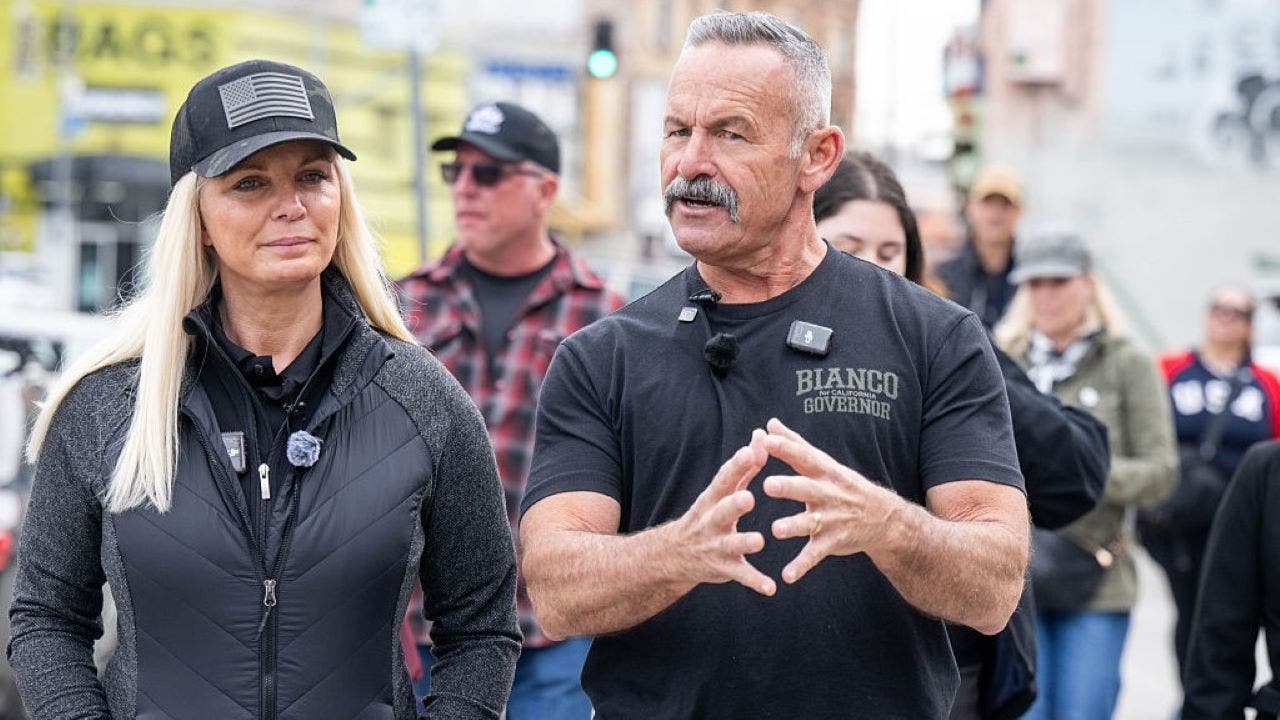
California sheriff seizes 650,000 ballots in defiance of state officials over election count dispute - Fox News
A California sheriff seized approximately 650,000 ballots in a dispute over election procedures, acting against directives from state officials. The seizure reflects a breakdown between local law enforcement and state election authorities over how ballots should be counted or handled. Such direct action by a county official defying state guidance on electoral matters represents an unusual escalation in election administration disputes. The incident raises questions about the chain of authority in election management and whether local sheriffs have legal standing to intervene in ballot-counting procedures. State officials are expected to respond, potentially through court action or formal enforcement mechanisms.
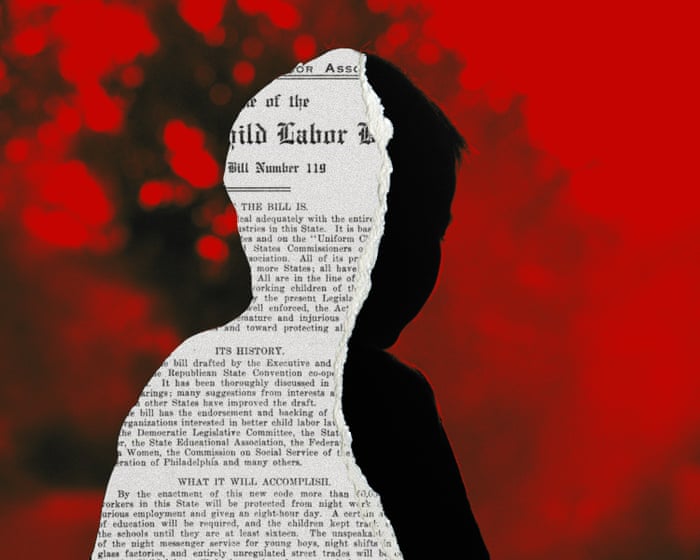
Child labor violations rise in US – as Republicans still roll back protections
Child labor violations have increased fivefold over the past decade even as Republican-controlled legislatures in Nebraska, Indiana, and West Virginia have passed bills rolling back child labor protections in 2026. Similar legislation is pending in Florida, Missouri, and Virginia, signaling a broader GOP push to loosen regulations on workers under 18. The trend runs counter to longstanding federal child labor standards designed to limit hours, restrict hazardous work, and protect minors' education and safety. The rollbacks come as the Department of Labor has documented a sharp rise in violations, suggesting enforcement challenges or employer non-compliance with existing rules. Advocates warn that weakening state-level protections could expose minors to exploitative working conditions just as documented breaches accelerate.

Red-state speech laws pose an existential threat to academic freedom
Florida and Indiana are advancing speech laws that could allow state legislatures to control what faculty members say in public university classrooms, according to legal arguments now before courts. The states' legal positions challenge longstanding protections for academic speech, which courts have traditionally shielded from government censorship. If courts adopt these state arguments, lawmakers could gain unprecedented authority to regulate classroom instruction at state-funded universities, potentially reshaping how professors teach sensitive or controversial subjects. Academic freedom advocates worry the rulings could create a precedent other Republican-led states would follow, fragmenting free speech protections across higher education. The outcome hinges on how federal courts interpret the First Amendment's application to public university speech.
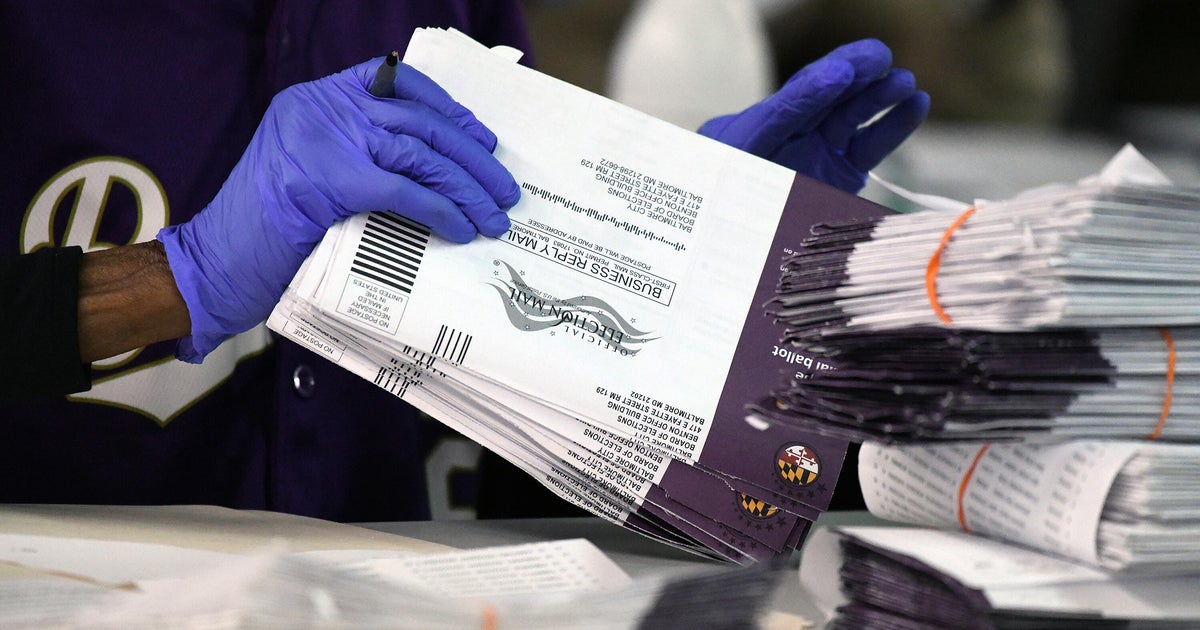
Supreme Court to consider deadlines for late-arriving mail ballots, as Trump continues attacks - CBS News
The Supreme Court has agreed to consider a case involving deadlines for mail ballots that arrive after Election Day, a voting procedure that has become a focal point of partisan debate. The case will likely address whether states can count ballots received days or weeks after polls close, a practice that varies significantly across the country and has drawn scrutiny from Republican-led challenges in recent election cycles. The decision comes as President Trump continues his public criticism of mail-voting procedures, which he has characterized as vulnerable to fraud—a claim not supported by widespread evidence. The Court's ruling could reshape how states handle late-arriving ballots and potentially affect future elections, particularly in closely contested races where mail-in voting plays a significant role. The justices' eventual decision will likely determine whether states maintain flexibility in counting procedures or must enforce tighter post-Election Day deadlines.
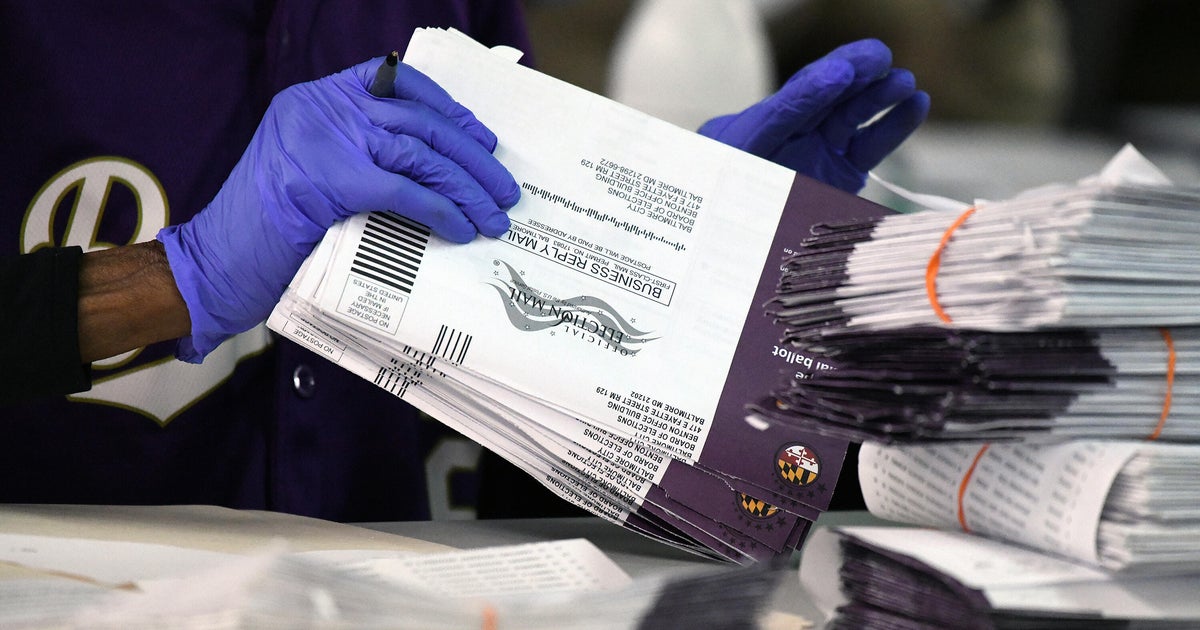
Supreme Court to consider deadlines for late-arriving mail ballots
The Supreme Court will decide whether states may count mail ballots that are postmarked by Election Day but arrive after polls close. The issue hinges on whether a ballot's postmark date or receipt date should determine its validity, a question that has divided lower courts and state election officials. The ruling could affect millions of absentee voters in closely contested elections, particularly in states with later mail delivery times. Currently, some states count late-arriving ballots if postmarked timely, while others reject them regardless of postmark date. The decision carries significant weight for both election administration and voting access in future campaigns.
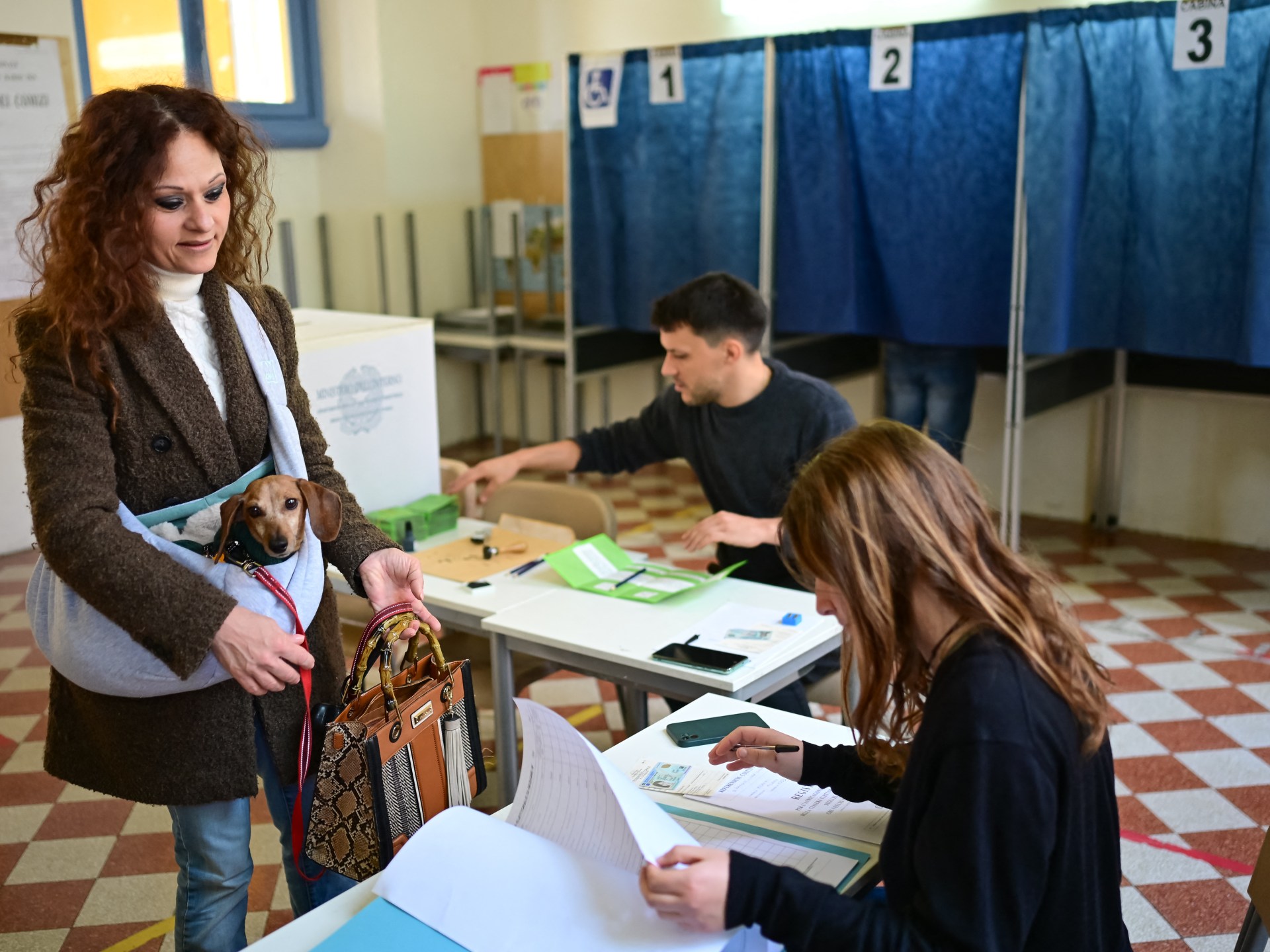
Italians vote in high-stakes justice referendum in key test for Meloni
Italian voters are deciding in a two-day referendum whether to approve Prime Minister Giorgia Meloni's contested judicial reform package. Meloni's right-wing government has positioned the overhaul as necessary modernization of Italy's justice system, but opponents argue it could undermine judicial independence and concentrate power in the executive branch. The referendum serves as a crucial political barometer for the prime minister, testing whether her coalition maintains public support ahead of potential European Union tensions over rule-of-law concerns. A defeat could weaken Meloni's political standing domestically and internationally, while approval would give her a mandate to reshape Italy's courts. The vote reflects broader European debates over judicial reform and the balance between executive authority and judicial autonomy.
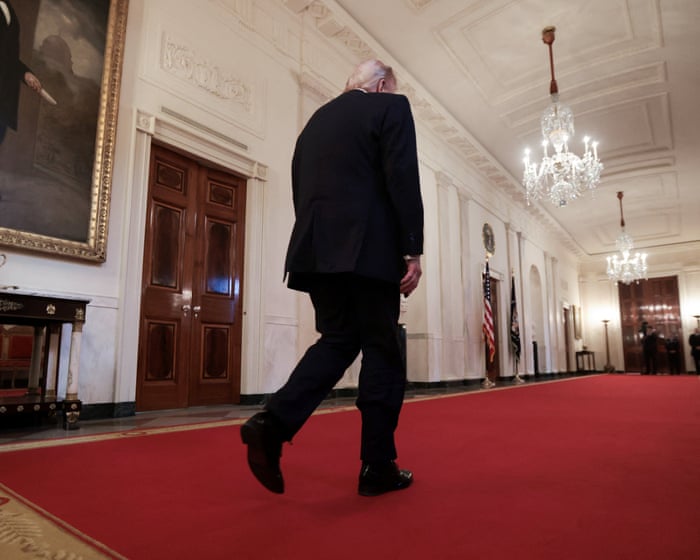
It's easy to miss – but lower courts are doing their job in restraining Trump | David Kirp
David Kirp, a UC Berkeley professor emeritus, argues that lower courts are successfully restraining Trump administration policies, demonstrating judicial independence during a period of significant executive pressure. Drawing a parallel to federal trial judges who enforced Brown v. Board of Education in the 1950s South, Kirp frames current court actions as a continuation of the judiciary's role in checking executive power and protecting democratic institutions. The piece positions district court judges as quietly but meaningfully standing against what Kirp characterizes as concerning executive overreach, suggesting their decisions represent an underappreciated defense of the rule of law. Kirp's commentary emphasizes that amid widespread negative headlines, the judiciary's resistance warrants recognition as a stabilizing democratic force.
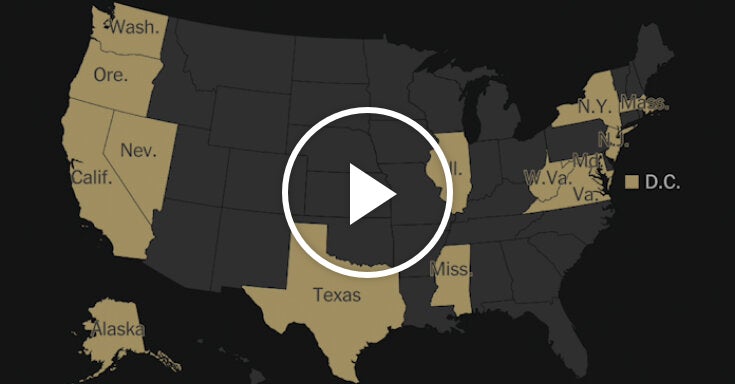
How the Supreme Court Could Change Voting by Mail
The Supreme Court is considering whether to disqualify mail-in ballots that arrive after Election Day, a decision that could reshape voting access across the country. The case centers on a dispute over post-election ballot deadlines, an issue that affects hundreds of thousands of voters in both rural and urban areas who rely on mail voting. A ruling against late-arriving ballots could significantly tighten voting windows and potentially disenfranchise voters whose ballots are delayed in transit through no fault of their own. The decision carries particular weight in swing states and competitive districts where mail voting is prevalent and margins are often narrow. The court's ruling will likely influence how states set their own election deadlines and could become a flashpoint in future election disputes.

The Supreme Court Could Make It Harder to Vote by Mail in the Midterms - The New York Times
The Supreme Court is considering cases that could restrict mail-in voting ahead of the midterm elections. The cases involve challenges to state voting procedures, raising questions about whether the justices will narrow access to absentee ballots that have become central to American elections. A ruling against mail-in voting could significantly reduce voter participation, particularly among older voters, those with disabilities, and people in rural areas who rely on postal ballots. The timing puts the court at the center of a contentious voting-rights debate as the nation prepares for midterm contests. Any decision could reshape how millions of Americans cast ballots in 2026 and beyond.

The Supreme Court Could Make it Harder to Vote by Mail in the Midterms
The Republican National Committee is pushing the Supreme Court to invalidate mail-in ballots that arrive after Election Day, a legal challenge that could disproportionately affect Democratic voters who tend to rely more heavily on mail voting. The case hinges on whether states can accept ballots postmarked by Election Day but received in the days after, a practice currently permitted in many jurisdictions. If the Court rules in the RNC's favor, potentially thousands of votes could be discarded in upcoming midterm elections, reshaping electoral outcomes in closely contested races. The challenge touches on a longstanding tension between ballot access and election security, with the RNC arguing for stricter deadlines while voting-rights advocates warn of disenfranchisement. The outcome could significantly alter mail-voting procedures nationwide ahead of the midterms.
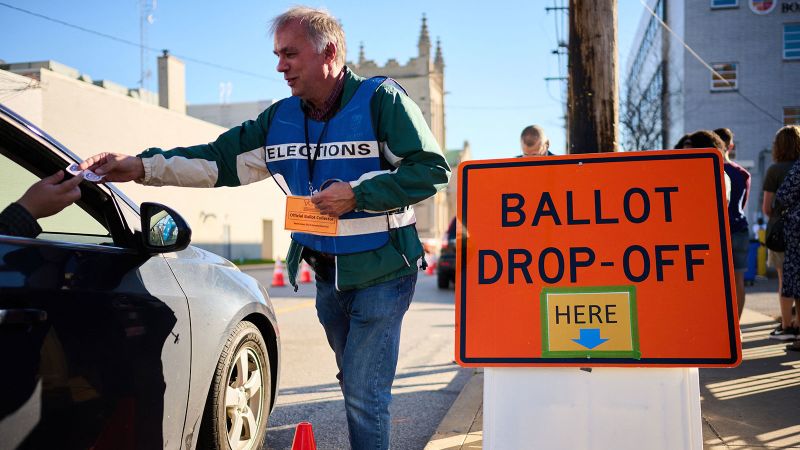
Trump’s efforts to curb mail-in voting come to the Supreme Court as they falter in Congress - CNN
The Trump administration's push to restrict mail-in voting has stalled in Congress and is now heading to the Supreme Court for resolution. The effort reflects the administration's stated concerns about election security and voting access, issues that have been central to Republican voting policy debates in recent years. The Supreme Court review could determine whether federal restrictions on mail-in voting are constitutional, with potential implications for how millions of Americans cast ballots in future elections. A ruling in favor of the administration could significantly reshape voting procedures nationwide, while a rejection would preserve the mail-in voting access that expanded during the pandemic and has remained in place. The case represents a major test of the Court's approach to election law under its current conservative majority.

Killed by the same abuser: Families demand answers
Fiona Holm and Naomi Hunte were killed by the same man within 16 months of each other, prompting their families to question whether police intervention between the two murders could have prevented the second death. The case raises critical questions about how law enforcement handles repeat offenders and domestic violence cases, particularly when a suspect remains active in the community between incidents. Families of both victims are demanding accountability and answers about what investigative steps were—or weren't—taken after the first killing that might have stopped the perpetrator. The deaths highlight a persistent gap in how police departments track and monitor individuals with histories of violent crime. The families' push for answers underscores broader concerns about whether systemic failures and coordination gaps between agencies allow dangerous offenders to remain free to kill again.
Italy’s justice referendum becomes a high stakes test for conservative Premier Giorgia Meloni - AP News
Italy's justice system faces a referendum that will test Premier Giorgia Meloni's political strength and her conservative government's judicial reform agenda. The vote centers on proposed changes to Italy's justice system, with Meloni's government backing measures that her supporters argue will improve efficiency but critics contend could weaken judicial independence. A strong showing for Meloni's position would validate her governance and embolden further reforms, while a defeat could undermine her authority and signal public resistance to her judicial agenda. The referendum reflects broader tensions in Italy over how much power the executive branch should wield over the courts. The outcome will likely influence Meloni's ability to push through other policy priorities during her tenure as premier.

News Outlets Pressure Pentagon to Restore Access After Court Ruling
A federal judge ruled Friday that key parts of the Pentagon's press policy violate the Constitution, prompting news outlets to pressure the Defense Department to restore media access that had been restricted. The ruling suggests the Pentagon has unlawfully limited journalists' ability to cover military operations and defense matters, a core function of press freedom protections. The decision creates immediate pressure on the Trump administration to either comply with the court order or appeal, potentially affecting how the Pentagon manages relationships with the media. News organizations have long contended that excessive restrictions on Pentagon access hamper their ability to report on defense spending, military readiness, and policy decisions affecting national security. The outcome will likely shape Pentagon media policy for years and may trigger broader questions about government transparency across federal agencies.