
Infrastructure strikes in Iran war escalate global energy crisis
Quick Insights
The Bottom Line
Military infrastructure strikes in the Iran conflict and closure of the Strait of Hormuz are intensifying a global energy shortage and driving up worldwide energy prices.
How This Affects You
Military strikes disrupting oil and gas facilities and blocking the Strait of Hormuz—through which roughly one-fifth of global oil passes—directly increase your gasoline and heating costs.
AI Summary
Infrastructure strikes tied to the Iran conflict are intensifying a global energy shortage, disrupting oil and gas facilities in a region already stressed by the closure of the Strait of Hormuz. The Strait, through which roughly a fifth of the world's oil normally passes, has been blocked, creating severe supply constraints and driving up energy prices worldwide. These infrastructure attacks are compounding the shortage by directly damaging production and export capacity in a strategically critical region. The dual crisis—supply route closure plus facility damage—threatens to push energy costs higher and could destabilize economies dependent on stable oil supplies. Markets are bracing for prolonged disruption unless the conflict stabilizes or alternative energy routes are secured.
Source Coverage Map
14 of 43 tracked sources covered this story
Following this story?
Get notified when new coverage appears
Other Sources Covering This Story
5 sourcesMultiple outlets have reported on this story. Compare perspectives from different sources.


Energy Attacks in War on Iran Could Turn Economic Shock Into Long-Term Damage
This article is part of a story we're tracking:
Iran & Middle East Conflict
Tracking the evolving military and diplomatic situation across the Middle East, including US-Iran tensions, Israeli operations, proxy conflicts, and the broader geopolitical implications for the region.
Climate & Environment
Monitoring climate change developments, extreme weather events, environmental policy shifts, energy transition progress, and the scientific, economic, and political dimensions of the environmental crisis.
Should this be getting more attention?
You Might Have Missed
Related stories from different sources and perspectives
 Global
'There's a lot of ways that this could escalate and get worse': Iran war rattles energy markets
Dan Marks, a research fellow in energy security at the Royal United Services Institute, breaks down the impact of Israel's attack on Iran's massive South Pars natural gas field on global energy markets – and just how both sides could escalate the crisis with further attacks on critical energy infrastructure across the region.
 Politics
Trump downplays Iran war's impact on global energy prices
Hosting the prime minister of Japan in the Oval Office, President Trump downplayed the Iran war's impact on global energy prices. But gas prices are continuing to climb as the Defense Department asks for more funding. Weijia Jiang has the latest.
 Environment
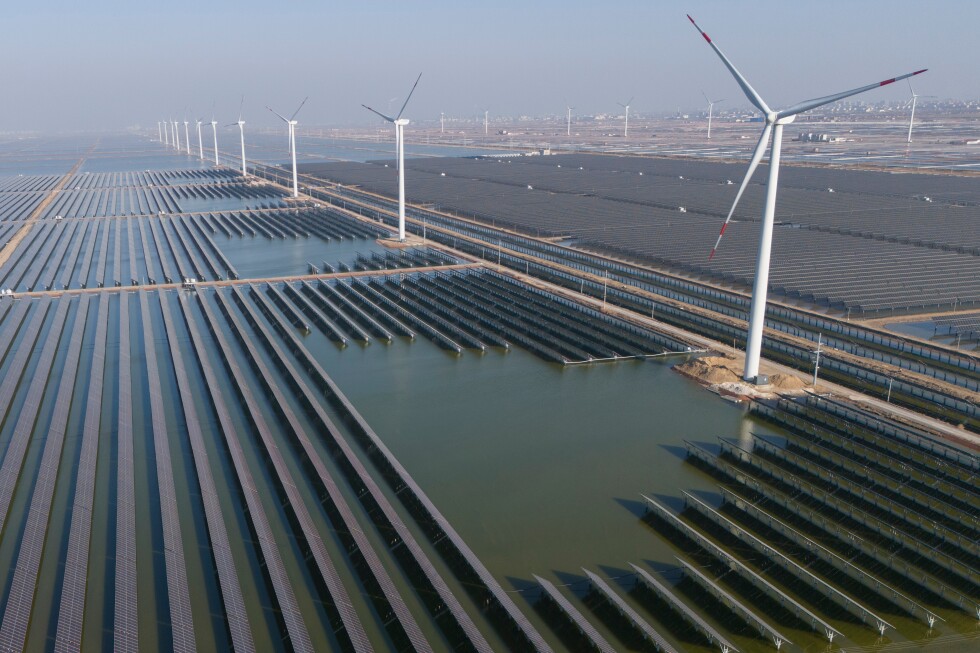
Energy fallout from Iran war signals a global wake-up call for renewable energy - AP News
<a href="https://news.google.com/rss/articles/CBMinwFBVV95cUxQcWVrQktnUzlUZVVIRWoyNlpMZERfSUxUYVVEbi1sMjR0QnQ5VjZ0ZGVNZ2lmMkd1dElBbm1FbGpvTk5OUWE5LVZYdHpMdUhhX2RqTUhpenVsdFpTNE4waWlsM3NpV1BIb2xaN1dteXFhbG5JNDlucVB3Q3lYQUE5NGI0SkNmNTNJd2JPVXF4bkpnNjFpX2R2bVFiV19KcEk?oc=5" target="_blank">Energy fallout from Iran war signals a global wake-up call for renewable energy</a> <font color="#6f6f6f">AP News</font>
 National Security
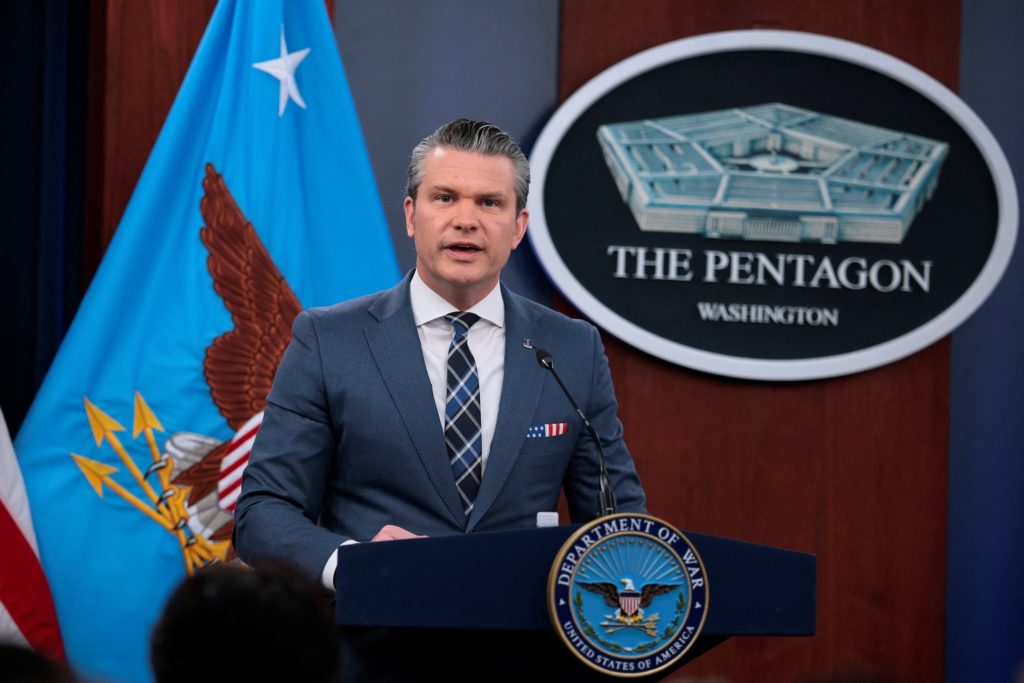
Pentagon poised to ask Congress for up to $200 billion to fund Iran war
Iranian strikes on oil and gas facilities across the Persian Gulf sent shockwaves through global energy markets a day after Israel struck Iran's main natural gas complex. President Trump sought to reassure Americans as gas prices surge, even as the Pentagon appears poised to ask Congress for up to $200 billion for the war effort. Special correspondent Leila Molana-Allen reports.
 Global
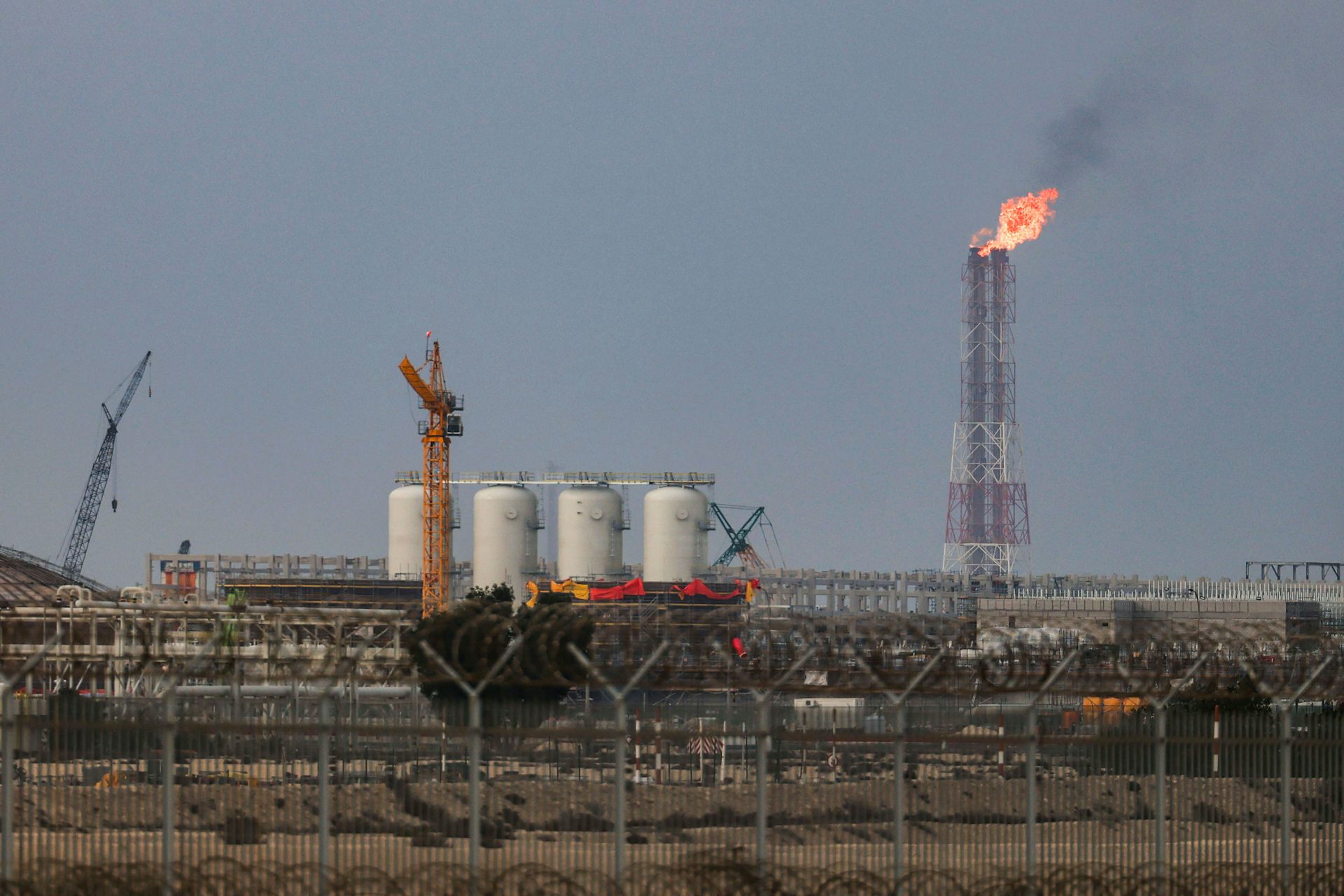
Targeting of energy facilities turned Iran war into worst-case scenario for Gulf states
Iran has responded in kind to attacks on its energy infrastructure. With the energy assets of Gulf states now in play for Tehran, regional chaos grows by the hour.
 Global
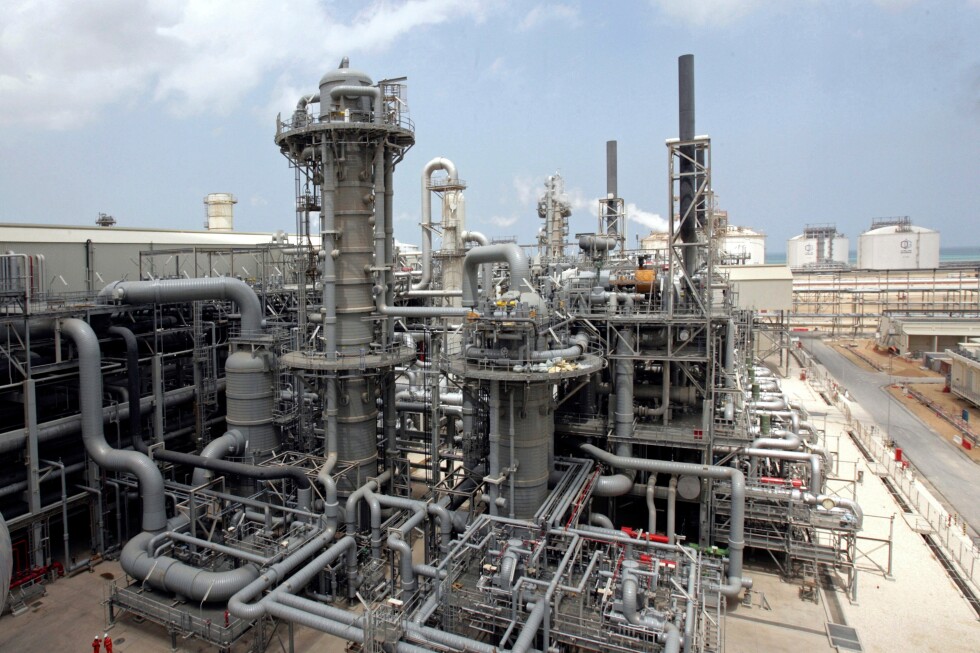
Iran war halts Qatar helium output, threatening global tech supply chains - AP News
<a href="https://news.google.com/rss/articles/CBMipgFBVV95cUxPMnQ4RTlUNUxyMmJwZUNQVXRPam9SMjc4cF9kRmx3RFJqaEV0c3kya0ZDVlF5SUJXQkQydVJLLThORHlnQW9rbV82Q2FMMjFNV01IZnZscTg3RW9RRTNsQ2hjdUlMSjYyTjk3R19BRFZmdXhXRXNhc21QSFZfN1R5R0g3Z1AxclJXRXQ4RGo5eDBxU1o5WVlKeXFQd2VMVEFuclVTUVRB?oc=5" target="_blank">Iran war halts Qatar helium output, threatening global tech supply chains</a> <font color="#6f6f6f">AP News</font>
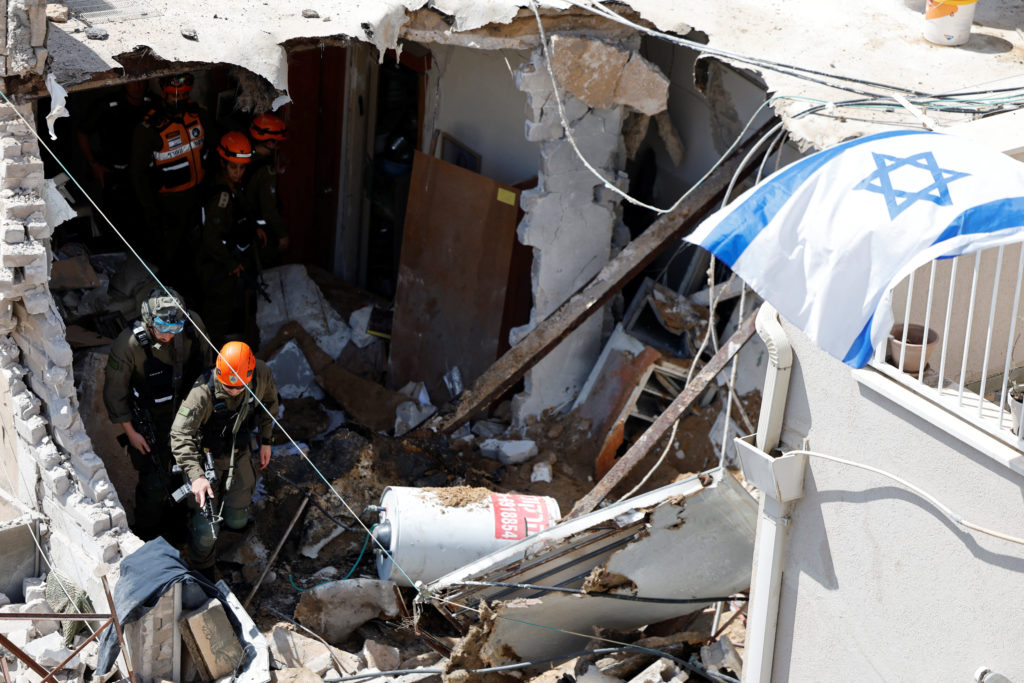
Iran threatens to close Strait of Hormuz and hit power plants after Trump's 48-hour deadline
Iran said the Strait of Hormuz would be "completely closed" immediately if the U.S. follows up on Trump's new threat to attack its power plants. Trump late Saturday set a 48-hour deadline to open the strait.
Did this story change how you see things?
Stories like this only matter when people see them. Help us get verified journalism in front of more eyes.
The Verity Ledger curates verified investigative journalism from trusted sources only.
See our sourcesMost Read This Week
Bank of America reaches proposed, non-binding settlement in Jeffrey Epstein suit

White House registers new ‘alien’-related .gov domains as DOD tackles Trump’s disclosure directive
Kash Patel admits under oath FBI is buying location data on Americans

Fentanyl found inside Barbies sold at Missouri discount store, police say

US moves to soften capital rules: ‘Big banks can declare mission accomplished’