
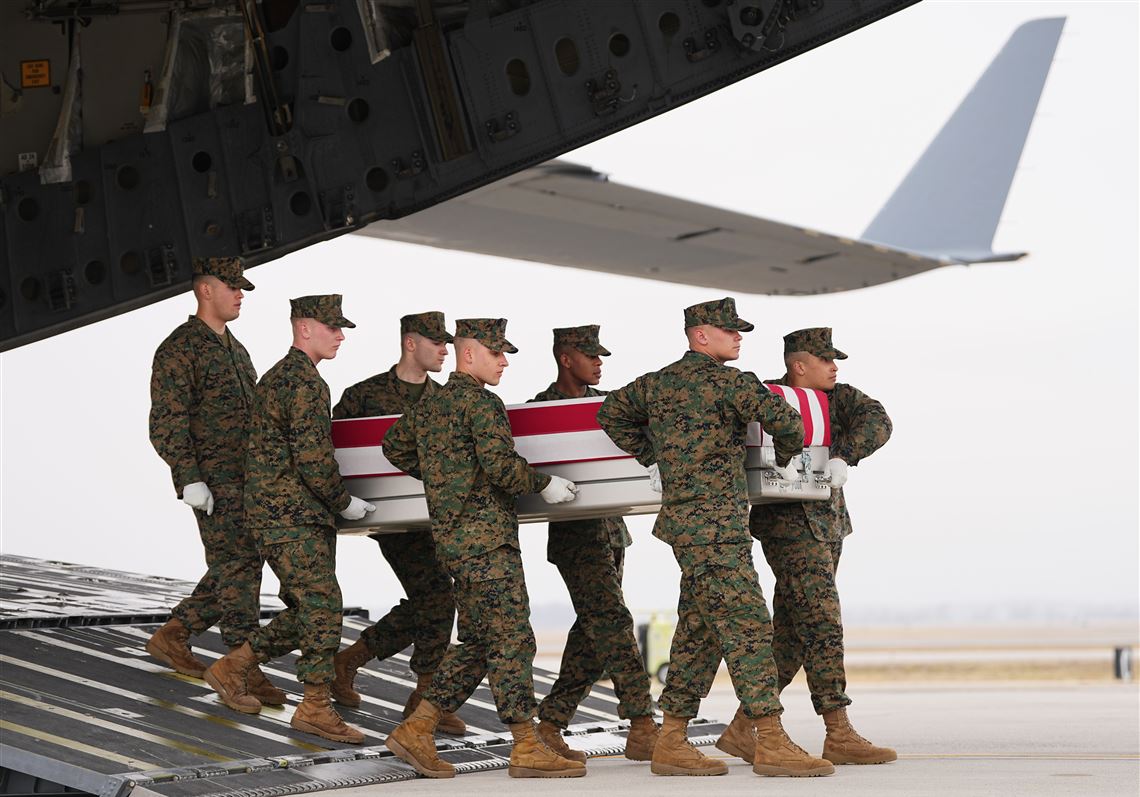
Iran & Middle East Conflict
Tracking the evolving military and diplomatic situation across the Middle East, including US-Iran tensions, Israeli operations, proxy conflicts, and the broader geopolitical implications for the region.
Latest Developments

US to continue Iran strikes, pause applies only to energy sites, Semafor reports - Reuters
The Trump administration is planning to continue military strikes against Iran while limiting a pause to energy infrastructure targets only, according to reporting by Semafor. This distinction suggests a narrower restraint than a broader ceasefire, allowing strikes to proceed against other Iranian military or strategic assets. The approach reflects the administration's stated position of maintaining pressure on Iran while potentially signaling willingness to negotiate on specific sectors. The clarification comes as tensions between the US and Iran have escalated following recent regional military exchanges. The targeting strategy indicates the White House intends to balance deterrence with diplomatic flexibility on certain economic vulnerabilities.
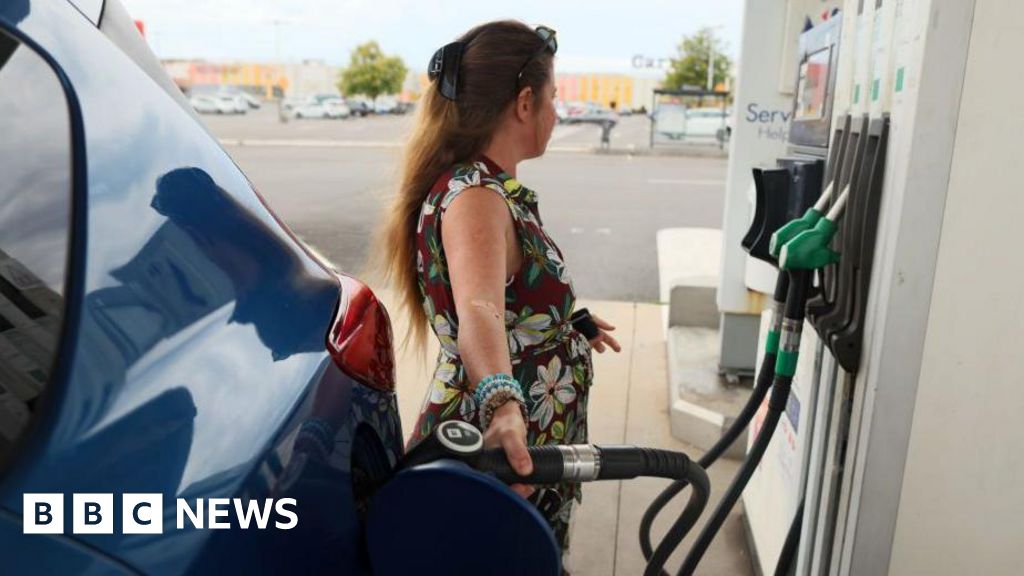
Oil back above $100 as conflicting claims emerge on US-Iran talks
Oil prices climbed back above $100 a barrel Monday amid conflicting signals about U.S.-Iran negotiations, after President Trump indicated he would delay military strikes against Iran. Stock markets initially rallied on Trump's statement, reflecting investor relief over reduced near-term conflict risk in the Middle East. Crude oil remains volatile as traders weigh the threat of regional escalation against diplomatic progress, with energy prices sensitive to any disruption in supplies from one of the world's largest producers. The conflicting reports suggest uncertainty about the administration's Iran strategy, leaving markets vulnerable to sharp swings depending on how talks develop. Oil price movements ripple through global markets and consumer gas prices, making the trajectory of U.S.-Iran relations critical for the economic outlook.

US markets surge after Trump announces he’s postponing strikes on Iran
President Trump announced he is postponing military strikes on Iran, prompting major US financial markets to open higher. The decision to delay the operation reduced immediate geopolitical risk, a factor that typically weighs heavily on investor sentiment and market performance. Stock markets often rally when tensions ease or military action is averted, as uncertainty about regional conflict can dampen trading activity and corporate earnings outlooks. The postponement signals a potential shift in the Trump administration's approach to Iran, though the administration has not provided details on the timing or conditions for any future strikes. Markets had been volatile in recent sessions amid elevated Middle East tensions.
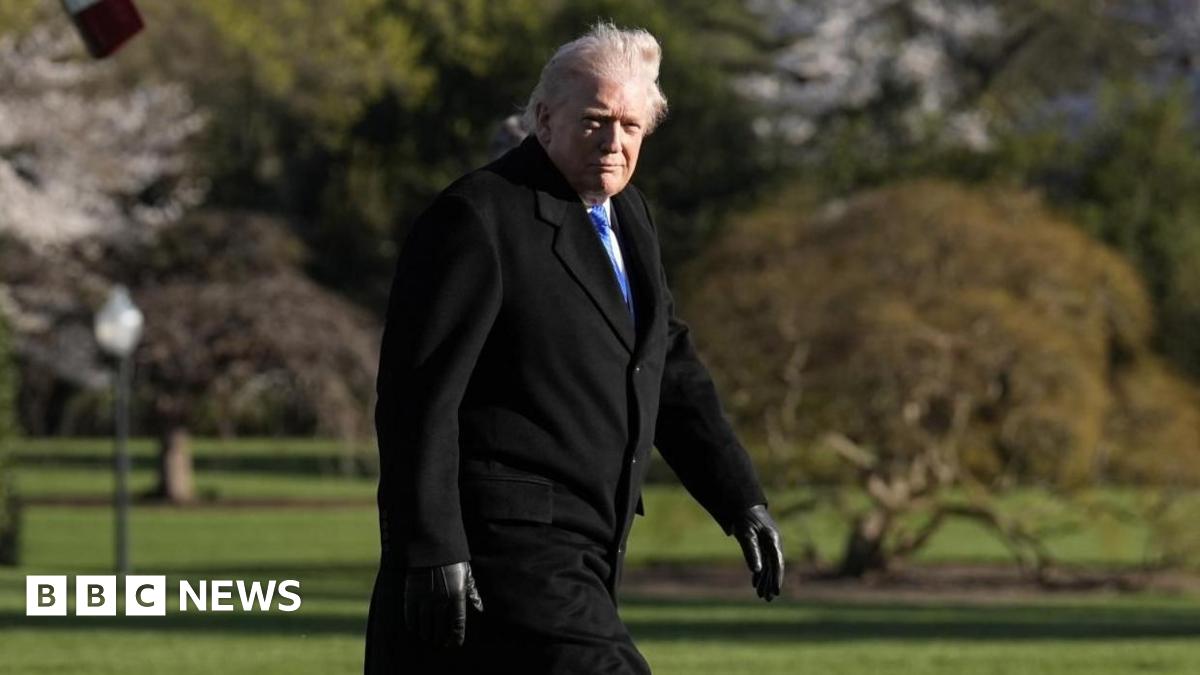
US and Iran give differing accounts of potential talks as Trump postpones strikes on power plants - BBC
The Trump administration has postponed strikes on Iranian power plants while the US and Iran offer conflicting accounts of whether direct talks are being pursued. The delay signals a potential diplomatic opening amid escalating US-Iran tensions, though both nations are characterizing the situation differently—complicating efforts to understand whether genuine negotiations are underway. The postponement represents a rare tactical shift from the administration's more aggressive posture toward Tehran. Iran has repeatedly denied willingness to engage in talks without preconditions, while US officials have suggested otherwise, creating ambiguity about whether backchannels are active or if the pause is temporary. Any sustained negotiation could reshape Middle East policy, though the fundamental disputes over Iran's nuclear program and regional activities remain unresolved.

Live: Iran launches missiles on Israel, calls Trump’s negotiation claims ‘fake news'
President Trump said the United States and Iran are in talks, signaling potential de-escalation as the fourth week of US military operations against Iran continues. Iran launched another round of missile strikes against Israel early Tuesday, according to state television, even as diplomatic signals emerged from Washington. Trump's comments suggest the White House may be seeking an off-ramp from the conflict, though Iran's continued attacks indicate Tehran remains committed to military pressure on Israel. The dual messaging—simultaneous diplomatic outreach and Iranian strikes—underscores the volatile nature of the current standoff in the Middle East. The scope and outcome of any US-Iran negotiations remain unclear.
Key Facts
US military operations in the Middle East have escalated significantly in 2026
Source: Multiple sources
Iran's nuclear program remains a central point of international concern
Source: IAEA
Regional proxy conflicts continue to reshape alliances and borders
Source: Council on Foreign Relations
Humanitarian impact across the region affects millions of civilians
Source: UN agencies
Recent Highlights
Diplomatic efforts continue amid regional instability
Ongoing US-Iran military tensions in the Persian Gulf
Full Coverage (4822 articles)
Showing 20 of 4822 articles
US to continue Iran strikes, pause applies only to energy sites, Semafor reports - Reuters
The Trump administration is planning to continue military strikes against Iran while limiting a pause to energy infrastructure targets only, according to reporting by Semafor. This distinction suggests a narrower restraint than a broader ceasefire, allowing strikes to proceed against other Iranian military or strategic assets. The approach reflects the administration's stated position of maintaining pressure on Iran while potentially signaling willingness to negotiate on specific sectors. The clarification comes as tensions between the US and Iran have escalated following recent regional military exchanges. The targeting strategy indicates the White House intends to balance deterrence with diplomatic flexibility on certain economic vulnerabilities.
Oil back above $100 as conflicting claims emerge on US-Iran talks
Oil prices climbed back above $100 a barrel Monday amid conflicting signals about U.S.-Iran negotiations, after President Trump indicated he would delay military strikes against Iran. Stock markets initially rallied on Trump's statement, reflecting investor relief over reduced near-term conflict risk in the Middle East. Crude oil remains volatile as traders weigh the threat of regional escalation against diplomatic progress, with energy prices sensitive to any disruption in supplies from one of the world's largest producers. The conflicting reports suggest uncertainty about the administration's Iran strategy, leaving markets vulnerable to sharp swings depending on how talks develop. Oil price movements ripple through global markets and consumer gas prices, making the trajectory of U.S.-Iran relations critical for the economic outlook.
US markets surge after Trump announces he’s postponing strikes on Iran
President Trump announced he is postponing military strikes on Iran, prompting major US financial markets to open higher. The decision to delay the operation reduced immediate geopolitical risk, a factor that typically weighs heavily on investor sentiment and market performance. Stock markets often rally when tensions ease or military action is averted, as uncertainty about regional conflict can dampen trading activity and corporate earnings outlooks. The postponement signals a potential shift in the Trump administration's approach to Iran, though the administration has not provided details on the timing or conditions for any future strikes. Markets had been volatile in recent sessions amid elevated Middle East tensions.
US and Iran give differing accounts of potential talks as Trump postpones strikes on power plants - BBC
The Trump administration has postponed strikes on Iranian power plants while the US and Iran offer conflicting accounts of whether direct talks are being pursued. The delay signals a potential diplomatic opening amid escalating US-Iran tensions, though both nations are characterizing the situation differently—complicating efforts to understand whether genuine negotiations are underway. The postponement represents a rare tactical shift from the administration's more aggressive posture toward Tehran. Iran has repeatedly denied willingness to engage in talks without preconditions, while US officials have suggested otherwise, creating ambiguity about whether backchannels are active or if the pause is temporary. Any sustained negotiation could reshape Middle East policy, though the fundamental disputes over Iran's nuclear program and regional activities remain unresolved.
Live: Iran launches missiles on Israel, calls Trump’s negotiation claims ‘fake news'
President Trump said the United States and Iran are in talks, signaling potential de-escalation as the fourth week of US military operations against Iran continues. Iran launched another round of missile strikes against Israel early Tuesday, according to state television, even as diplomatic signals emerged from Washington. Trump's comments suggest the White House may be seeking an off-ramp from the conflict, though Iran's continued attacks indicate Tehran remains committed to military pressure on Israel. The dual messaging—simultaneous diplomatic outreach and Iranian strikes—underscores the volatile nature of the current standoff in the Middle East. The scope and outcome of any US-Iran negotiations remain unclear.
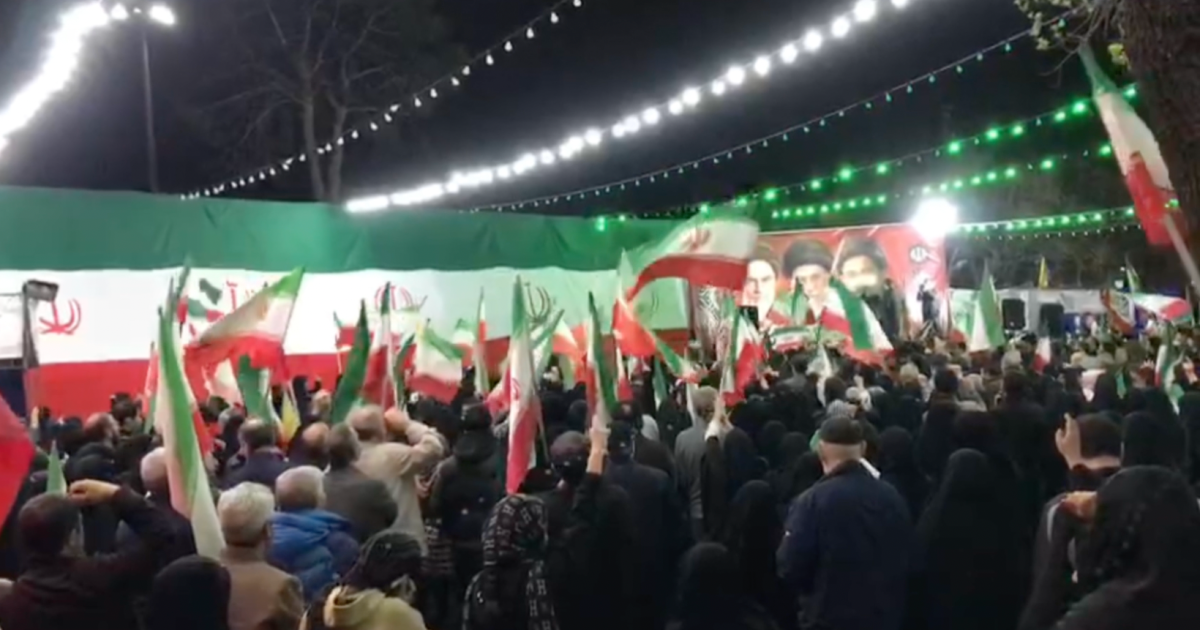
Large pro-government rallies held in Tehran
Large pro-government demonstrations took place in Tehran, with crowds waving Iranian flags and chanting in support of the government, according to videos of the rallies. The demonstrations underscore ongoing political mobilization within Iran, where public displays of government support are a regular feature of the state's political messaging. Such rallies typically reflect either state-organized events or genuine expressions of support for Iran's leadership, and their scale and visibility can signal the government's capacity to marshal public backing. These gatherings are significant in Iran's domestic political landscape, where competing narratives about public sentiment often shape perceptions of stability and legitimacy.
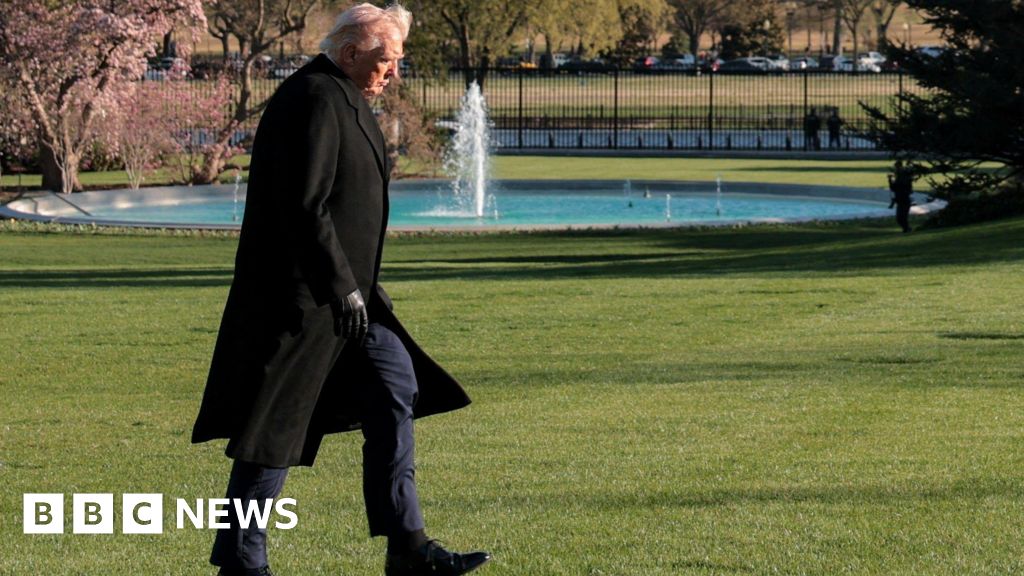
Ultimatums, diplomacy and a trip to Graceland as Trump eyes a deal with Iran
President Trump is pursuing diplomatic negotiations with Iran while simultaneously issuing ultimatums, part of a broader effort that has included unconventional activities like a trip to Graceland. The White House is attempting to leverage pressure and engagement tactics to achieve a potential deal with Tehran, reflecting the administration's mixed approach to foreign policy. Trump's strategy combines hardline demands with direct diplomatic outreach, signaling both willingness to negotiate and readiness to escalate tensions. The Graceland visit—an unusual presidential detour—underscores how the administration's high-stakes Iran negotiations unfold alongside more idiosyncratic presidential activities. Success in Iran talks would represent a significant foreign policy achievement, while failure could heighten regional instability and complicate U.S. security interests.
Ultimatums, diplomacy and a trip to Graceland as Trump eyes a deal with Iran
President Trump is pursuing diplomatic negotiations with Iran while simultaneously issuing ultimatums, according to the White House's recent messaging strategy. The administration's approach has included both serious foreign policy engagement and unusual diversions, including a presidential trip to Graceland, suggesting an unconventional diplomatic posture amid broader geopolitical tensions. The mixed signals—combining hard-line demands with symbolic gestures—reflect Trump's unpredictable negotiating style and raise questions about whether the administration intends to reach a settlement or maintain maximum pressure. Iran has historically been skeptical of Trump-era diplomacy, given the 2018 U.S. withdrawal from the nuclear deal. The outcome of these talks could reshape U.S.-Iran relations and regional stability in the Middle East.

Schiff: Trump ‘trying to bring down the price at the pump’ with talks of Iran negotiations
Sen. Adam Schiff expressed skepticism Monday about President Trump's claims that the U.S. and Iran are negotiating to resolve their ongoing conflict, saying the administration has made false statements in the past. Schiff suggested Trump may be using talk of Iran negotiations as a political tactic to lower gas prices ahead of an election cycle. The senator's comments reflect Democratic concerns that the White House could be overstating diplomatic progress or using the prospect of negotiations to influence commodity markets and consumer sentiment. Iran tensions directly affect global oil supplies, making gas prices a politically sensitive issue for any administration.
Asian shares mostly rebound after Trump hints at a possible end to the Iran war - AP News
President Trump hinted at a possible end to the Iran war, prompting a rebound in Asian stock markets. The remark suggests a potential shift in the Trump administration's approach to the Middle East conflict, an issue that has weighed on investor sentiment and global economic uncertainty. Market gains across Asia reflect investor optimism that a resolution could reduce geopolitical tensions and stabilize oil prices. Trump's comments come as the administration navigates multiple foreign policy challenges, and markets have historically been sensitive to developments in the Iran conflict due to its potential impact on energy markets and regional stability.
Trump news at a glance: president touts ‘strong talks’ with Iran that Iran says have not happened - The Guardian
President Trump claimed to be conducting "strong talks" with Iran regarding nuclear negotiations, but Iranian officials publicly denied that any such discussions are occurring. The contradiction underscores a fundamental disconnect in how the two governments are characterizing their diplomatic posture at a time of heightened tensions over Iran's nuclear program. Trump's assertion of active negotiations without Iranian confirmation raises questions about whether he is overstating engagement or attempting to signal openness to talks for domestic political purposes. Iran's denial suggests the country is not prepared to acknowledge formal diplomacy with Washington, potentially complicating efforts to restart negotiations that have stalled since the U.S. withdrew from the 2015 nuclear deal during Trump's first term. The competing narratives reflect the deep mistrust between the U.S. and Iran and the challenges facing any administration seeking to resolve the nuclear standoff.

Military transport plane crashes in Colombia with 121 on board, dozens dead
A Colombian military transport plane carrying 121 people crashed shortly after takeoff in Puerto Leguizamo on Monday, killing at least 33 and injuring 81, according to authorities. The aircraft was carrying mostly soldiers when it went down, making it one of the deadliest aviation incidents in Colombia in recent years. The injured were airlifted for treatment while victims' bodies were transported to the town's morgue as recovery operations continued. Colombian military aviation has experienced several crashes in recent years due to aging aircraft and challenging terrain in remote regions where many operations occur. Investigators have not yet determined the cause of the crash.
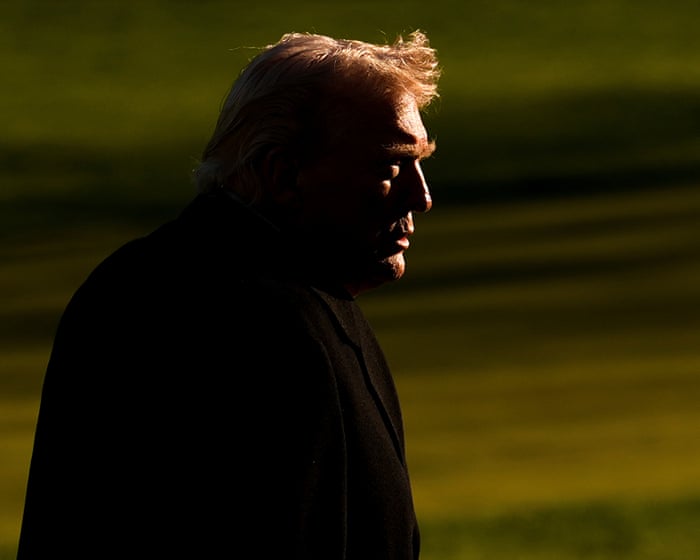
Trump news at a glance: president touts ‘strong talks’ with Iran that Iran says have not happened
Trump claimed Monday that the US and Iran have held talks over the past day with "major points of agreement," suggesting a deal could soon end the conflict between the two countries. Iran's foreign ministry immediately denied the assertion, stating no negotiations have occurred with the US since the bombing campaign began 24 days ago. The conflicting statements reveal a stark disconnect in how the two sides are characterizing the status of their dispute. Trump's assertion of imminent progress contradicts Tehran's position that diplomatic contact has broken down entirely during the current military escalation. The claims underscore the fragile state of US-Iran relations and raise questions about whether either side is genuinely seeking a negotiated resolution.
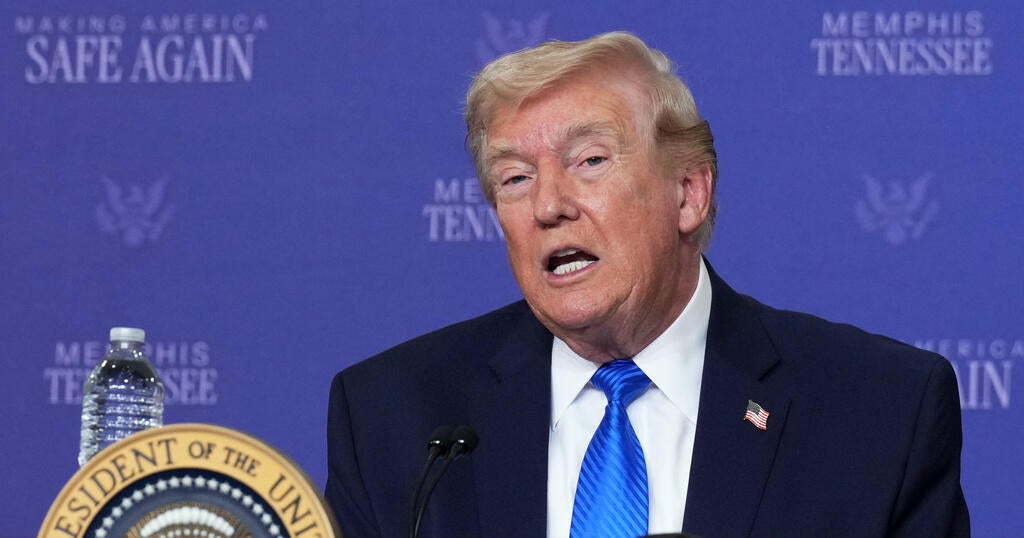
U.S. sent Iran a message through mediators as Trump signals he's open to a deal, Iranian official says - CBS News
The United States has conveyed a message to Iran through intermediaries while President Trump signals openness to negotiating with Tehran, according to an Iranian official. The contact reflects a potential shift in approach toward Iran after years of escalating tensions and Trump's previous "maximum pressure" campaign during his first term. Trump's willingness to engage stands in contrast to his administration's earlier hardline stance on Iran's nuclear program and regional activities. The development suggests the White House may be exploring diplomatic channels ahead of any formal talks. Direct communication between Washington and Tehran remains rare, making back-channel messaging a traditional method for both sides to test intentions without public commitment.
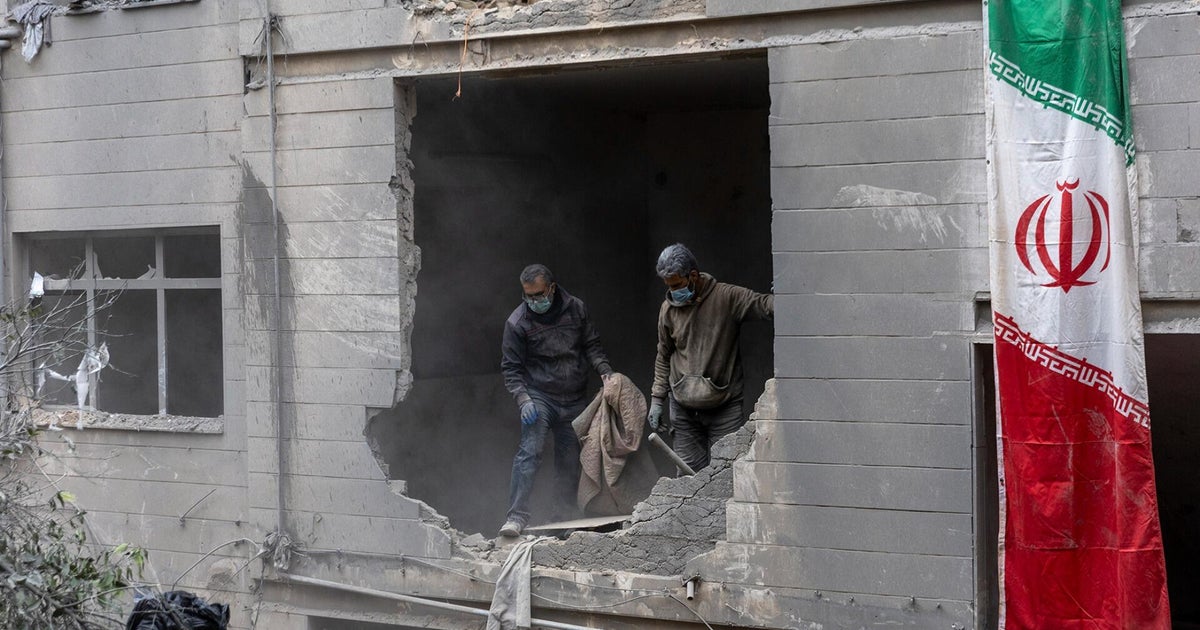
U.S. sent Iran a message through mediators, Iranian official says
The U.S. has transmitted a message to Iran through intermediaries, according to a senior Iranian Foreign Ministry official, signaling potential openness to diplomatic engagement. The communication represents a rare back-channel contact between the two countries, which have had no formal diplomatic relations since 1980 and remain at odds over Iran's nuclear program, regional activities, and U.S. sanctions. Such mediated messaging typically precedes higher-level negotiations and suggests both sides may be exploring conditions for talks. The Iranian official's public disclosure of the message to CBS News indicates Tehran is at least willing to acknowledge U.S. overtures, though it remains unclear what specific proposals or conditions the U.S. conveyed. Any substantive negotiations would require agreement on fundamental issues including Iran's nuclear enrichment activities and sanctions relief.

Oil rises as markets assess supply risk after Iran denies US talks - Reuters
Oil prices rose as traders reassessed geopolitical risks following Iran's denial of ongoing negotiations with the United States. The Iranian statement removes a key factor that had dampened crude prices, as market participants had priced in the possibility of a diplomatic deal that could ease international sanctions and increase supply. With talks now reportedly off the table, investors face renewed concerns about potential supply disruptions from one of OPEC's largest producers. The price movement reflects oil markets' sensitivity to U.S.-Iran relations, which have historically shaped global energy supplies and costs.

Trump Delays Threat to Iran, but War Negotiations Are in Early Stage
President Trump has postponed threatened military strikes against Iranian power plants, citing ongoing "productive conversations" with Tehran. The White House decision marks a tactical pause in escalating tensions, though officials characterized the negotiations as still in preliminary stages without substantive progress. The delay suggests Trump is leaving diplomatic channels open rather than proceeding immediately with military action, a shift from his earlier public threats. However, the early nature of talks indicates little concrete agreement exists yet on core issues between the two countries. The move reflects the Trump administration's ongoing efforts to manage the Iran situation through negotiation while maintaining the threat of military force as leverage.

Trump Delays Threat to Iran, but War Negotiations Are in Early Stage - The New York Times
President Trump has delayed threatened military action against Iran while early-stage negotiations with Tehran are underway. The decision reflects a shift in approach from Trump's previous hardline rhetoric toward Iran, signaling a potential opening for diplomatic engagement. Such negotiations could reshape U.S. policy toward one of its longest-standing adversaries in the Middle East. The timing of the delay suggests the Trump administration is weighing military options against diplomatic alternatives as it develops its Iran strategy. The outcome of these talks could affect regional stability, sanctions policy, and broader U.S. interests in the Persian Gulf.

Co-director and producer of "The AI Doc" on the peril and promise of artificial intelligence
Co-director Charlie Tyrell and producer Ted Tremper have created a documentary titled "The AI Doc: Or How I Became an Apocaloptimist" that examines the artificial intelligence boom and its potential risks to humanity. The film features interviews with top AI company CEOs and other experts, offering perspectives on both the promise and peril of rapidly advancing AI technology. The documentary reflects growing public concern about how AI development could affect society, combining optimism about the technology's potential benefits with warnings about existential risks. Tyrell and Tremper discussed the film's production with CBS News, highlighting the complexity of covering an industry moving faster than policy and regulation can keep pace.
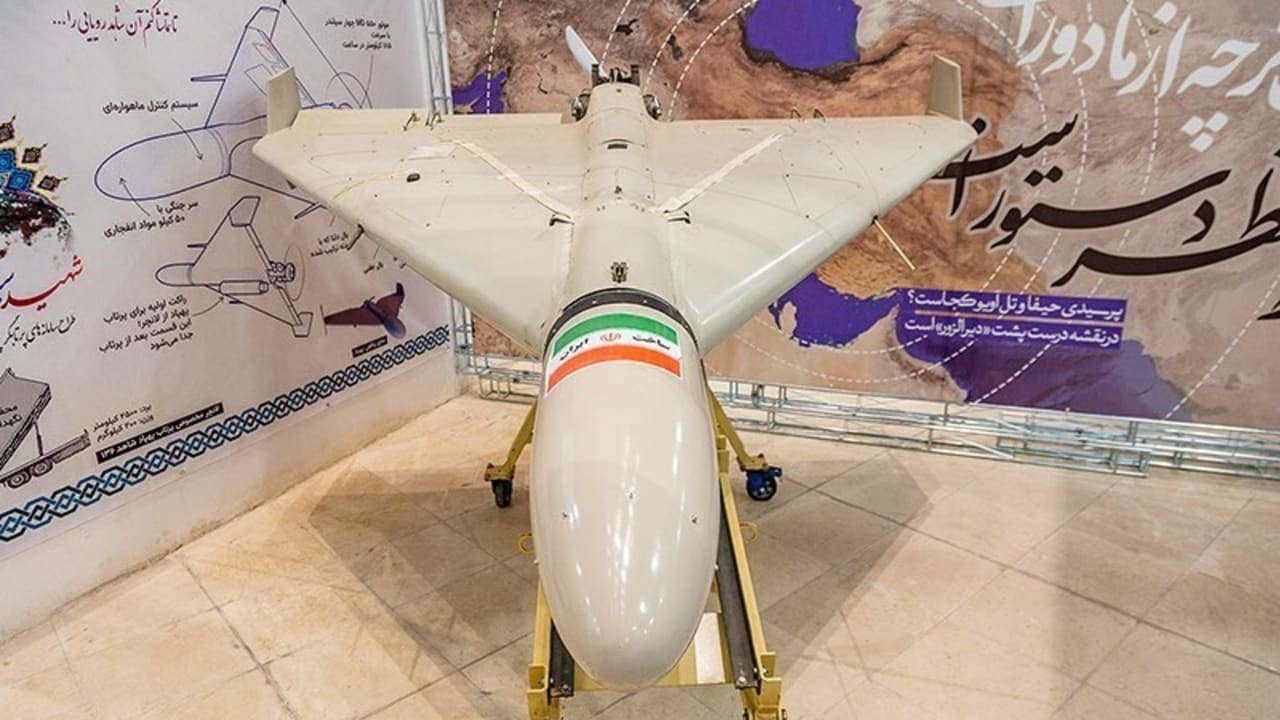
Ukraine diplomat urges strikes on Russian drone production over Iran shipments - The Jerusalem Post
A Ukrainian diplomat is calling for strikes on Russian drone production facilities in response to Iran's shipment of drones to Russia for use in the war. Ukraine has long documented Iranian military support for Russia's offensive operations, including the supply of unmanned aerial vehicles that have been deployed against Ukrainian targets. The appeal reflects Kyiv's strategy of pushing Western allies to target Russia's supply chains and weapons manufacturing capabilities as a way to degrade Moscow's military capacity. Ukrainian officials argue that disrupting drone production would reduce casualties among Ukrainian civilians and military personnel. The request underscores the interconnected nature of the Russia-Iran military partnership and the diplomatic pressure Ukraine continues to exert on its Western backers to expand the scope of permitted military operations against Russian assets.