
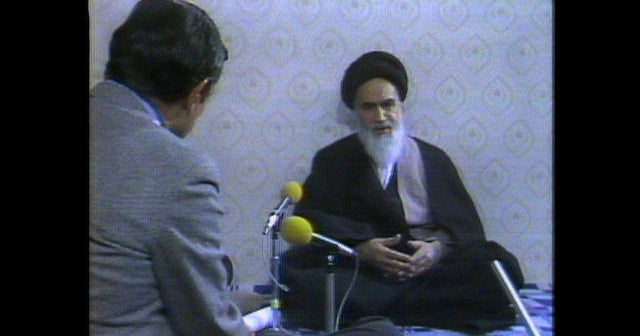
Iran’s Ayatollah Khomeini (1979) | 60 Minutes Archive
Quick Insights
The Bottom Line
Mike Wallace interviewed Ayatollah Khomeini weeks after Iranian militants seized the U.S. Embassy and took 52 American hostages in 1979.
AI Summary
Mike Wallace conducted an interview with Ayatollah Khomeini just two weeks after Iranian militants seized the U.S. Embassy in Tehran and took 52 American hostages in November 1979. The interview represents a rare moment of direct access to Iran's supreme leader during one of the most acute U.S.-Iran crises of the Cold War era. Wallace's conversation with Khomeini provided American audiences a window into the perspective of the Iranian revolutionary leader at the height of anti-American sentiment following the Islamic Revolution that had ousted Shah Mohammad Reza Pahlavi months earlier. The hostage crisis would ultimately last 444 days and fundamentally reshape U.S.-Iran relations for decades. This 60 Minutes archive segment captures a pivotal historical moment when tensions between the two nations were at their peak.
This article is part of a story we're tracking:
Should this be getting more attention?
You Might Have Missed
Related stories from different sources and perspectives
 Global
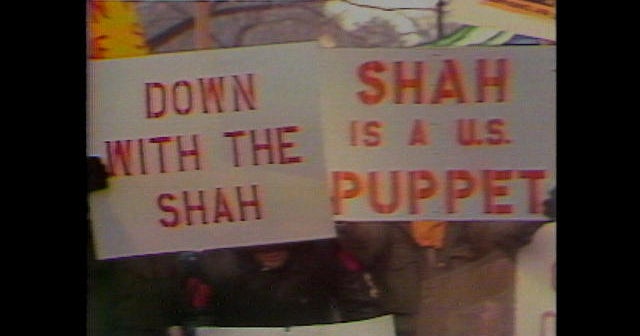
Explaining Iran’s animosity (1980) | 60 Minutes Archive
In March 1980, the U.S. hostages in Iran had been held for four months. Mike Wallace’s report asked why so many Iranians endorsed their captivity.
 Civil Rights
‘Transnational repression’: Iranian diaspora faces harassment, death threats, pressure on families
Oliver Farry is pleased to welcome Dr. Roya Boroumand, Co-Founder and Executive Director of the Abdorrahman Boroumand Center for Human Rights in Iran. According to Dr. Boroumand, Iran's transnational repression began in the aftermath of the 1979 revolution. Over time, this strategy has adapted, becoming more technologically mediated, and more globally embedded. It serves multiple functions for the Iranian state: it silences dissent beyond its borders, deters political engagement within diaspora communities, and reinforces the regime’s narrative of legitimacy.
 National Security
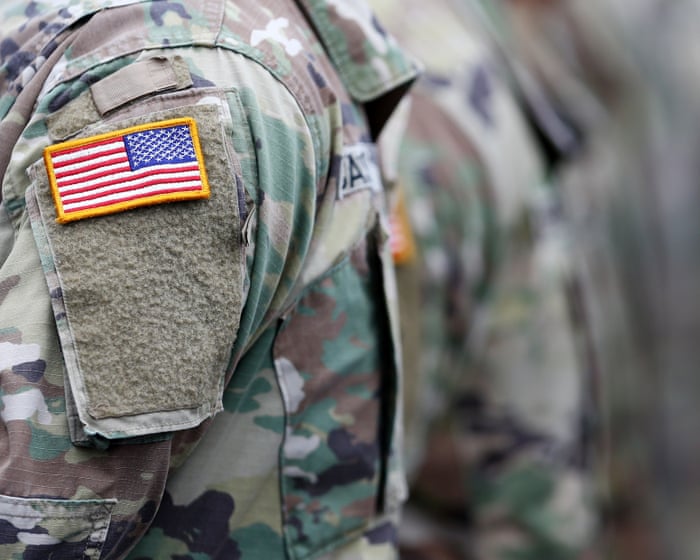
Chatter and fear about US military draft emerge as Trump’s Iran war drags on
<p>Though the US is almost certainly not going to have a draft, media commentary and online anxiety have surfaced</p><p>The United States is almost certainly not going to have a military draft to fight Iran. That hasn’t stopped the chatter, and anxiety, across the country.</p><p>In recent weeks, Donald Trump has ordered a number of marines and army paratroopers to head to the Middle East, gesturing toward a possible ground war to reopen the strait of Hormuz or secure nuclear weapons material. The provocative military activity has led to <a href="https://www.theguardian.com/world/2026/mar/30/how-could-us-forcibly-reopen-strait-of-hormuz-iran-what-are-the-risks">speculative conversation</a> about what it would take to invade a country twice the population and three times the territory of Iraq.</p> <a href="https://www.theguardian.com/us-news/2026/mar/31/us-military-draft-fears-trump-iran-war">Continue reading...</a>
 National Security
Yemen's Houthis strike at Israel as attacks on Iran continue - Reuters
<a href="https://news.google.com/rss/articles/CBMitAFBVV95cUxNNVVtc1ZtWmlSeGkxX2N1VkZxUW1RUkFReGRKX0o5OXROT21WUjVGMS1lUFlqVFpNcUtSN3gtR3BaMFNaMGR5RDRkYW1DaExPcXJ6eEx6dXlYRVBIWEpHSm94dWNlRTZlQnhaR1BwNGl0WnhneklBenpxV1dMcDFROHlGMFQtOVF1ZGxWUm14VWtvMXlicko5bWZZWHdvSUo1aUJELWxZYTgwZFZkX3ZJd242Z0I?oc=5" target="_blank">Rubio sees US action in Iran completed in weeks as airstrikes rumble on</a> <font color="#6f6f6f">Reuters</font>
 National Security
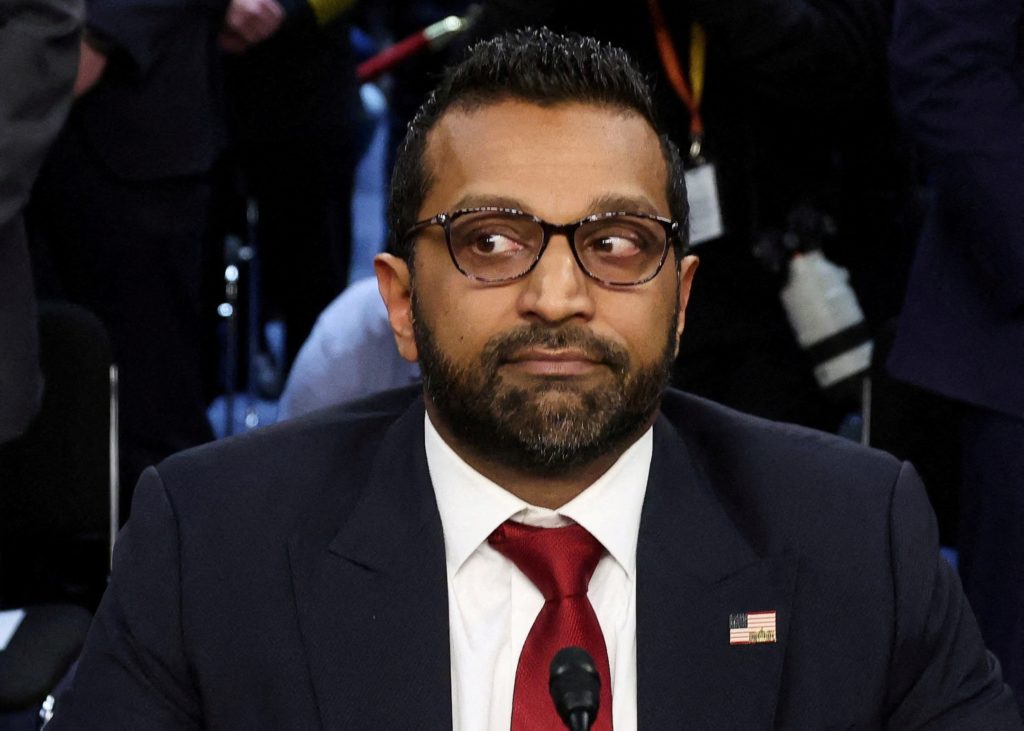
News Wrap: Pro-Iranian group claims it hacked Kash Patel's email account
In our news wrap Friday, a pro-Iranian and pro-Palestinian hacking group claims it breached an email account belonging to FBI Director Kash Patel, lawyers representing Fulton County asked a federal court to order the FBI to return 2020 election ballots and records seized in a January raid and stocks closed out their worst week since the Iran war began, the fifth straight losing week.
 Politics
Understanding why some Iranian Americans support the war on their country of origin
Protesters from the Iranian diaspora in the U.S. gathered in Washington, D.C. as the war in the Middle East broadens. Many say they are aligned with the U.S. and Israel and explain why they want to see regime change in Tehran.
Who is an American? The Supreme Court will decide
President Trump claims that there is no automatic guarantee to birthright citizenship in the Constitution. But, will that claim hold up in court?
Did this story change how you see things?
Stories like this only matter when people see them. Help us get verified journalism in front of more eyes.
The Verity Ledger curates verified investigative journalism from trusted sources only.
See our sourcesMost Read This Week
Senate deal reached to cap insulin costs

'The gravest crime against humanity': What does the UN vote on slavery mean?
At Pentagon Christian service, Hegseth prays for violence 'against those who deserve no mercy'
After 16 years and $8 billion, the military's new GPS software still doesn't work
US paves way for private assets to be included in 401(k) retirement plans - Reuters