
Trump's Legislative Blockade and Voter ID Demands
President Donald Trump has declared he will not sign any legislation until Congress passes his proposed voter identification bill, the Safeguard American Voter Eligibility (SAVE) Act. This ultimatum aims to pressure Congress into overhauling voting laws, despite concerns from Democrats and a focus on other critical issues.
Latest Developments
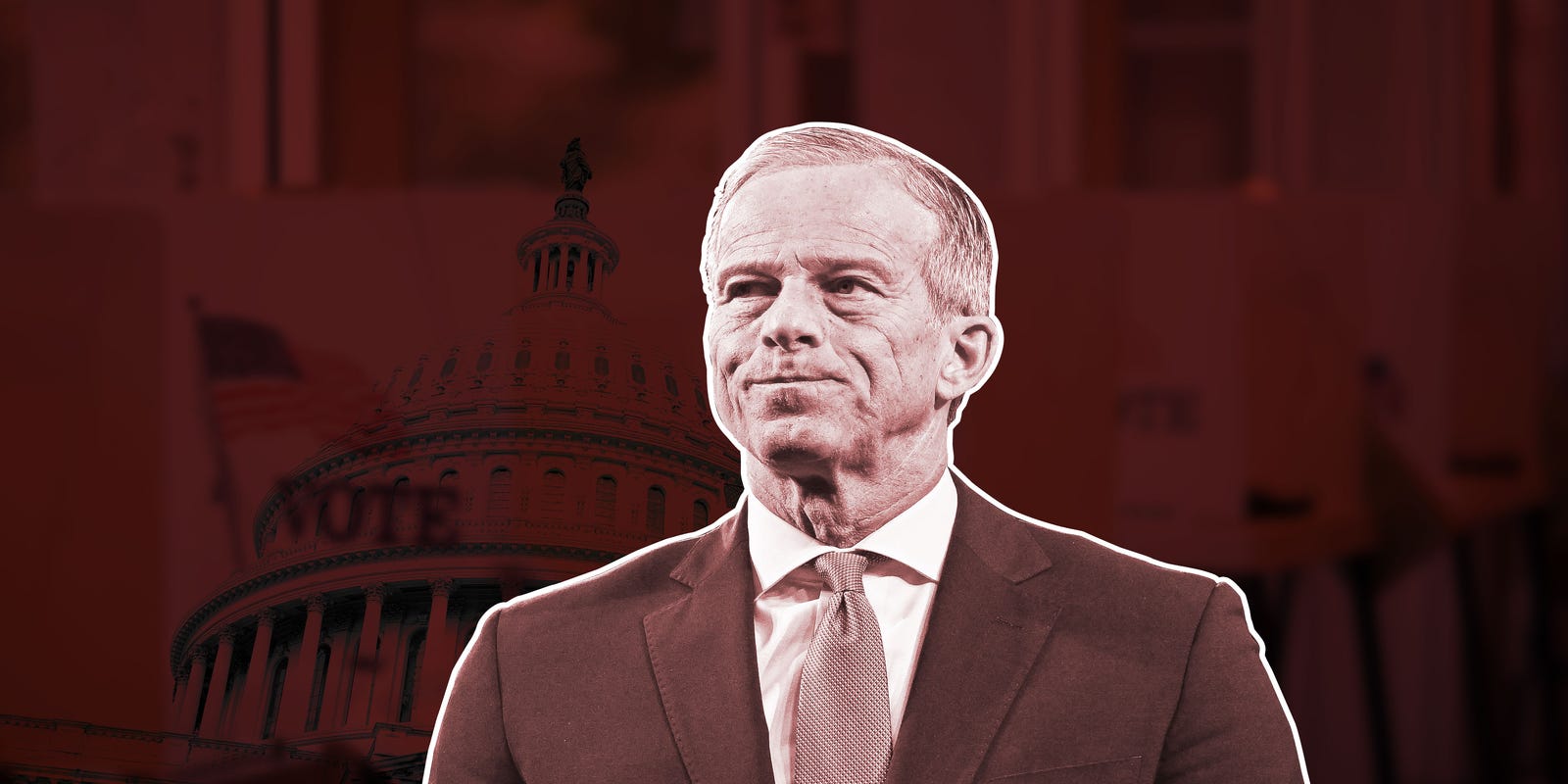
You'll need these documents to vote if the SAVE Act passes - USA Today
The SAVE Act would require voters to present specific documents proving citizenship at the polls, changing current voting identification requirements across the country. The legislation has gained traction in Republican-controlled Congress as part of broader efforts to tighten election security, though Democrats argue it could suppress voter turnout among eligible citizens who lack the required documentation. Current voting requirements vary by state, with most accepting driver's licenses or other standard ID without citizenship verification. If passed, the law would mandate documents such as birth certificates or passports to cast ballots, fundamentally altering how Americans prove eligibility to vote. The bill reflects an ongoing partisan divide over election integrity measures and voting access.

Here’s what’s in Trump’s SAVE America Act
President Trump is pushing the Senate to pass his Safeguard American Voter Eligibility (SAVE) America Act, which has become a top legislative priority for his administration this week. The bill faces unified Democratic opposition in the upper chamber, making passage unlikely despite Trump's strong advocacy for the measure. The legislation appears focused on voter eligibility requirements, though it confronts significant political headwinds in a closely divided Senate. The SAVE Act represents a key component of Trump's election integrity agenda, but Democratic resistance suggests it will struggle to gain the necessary votes for approval. This legislative battle highlights the ongoing partisan divide over voting laws and election procedures that has persisted since Trump's return to office.
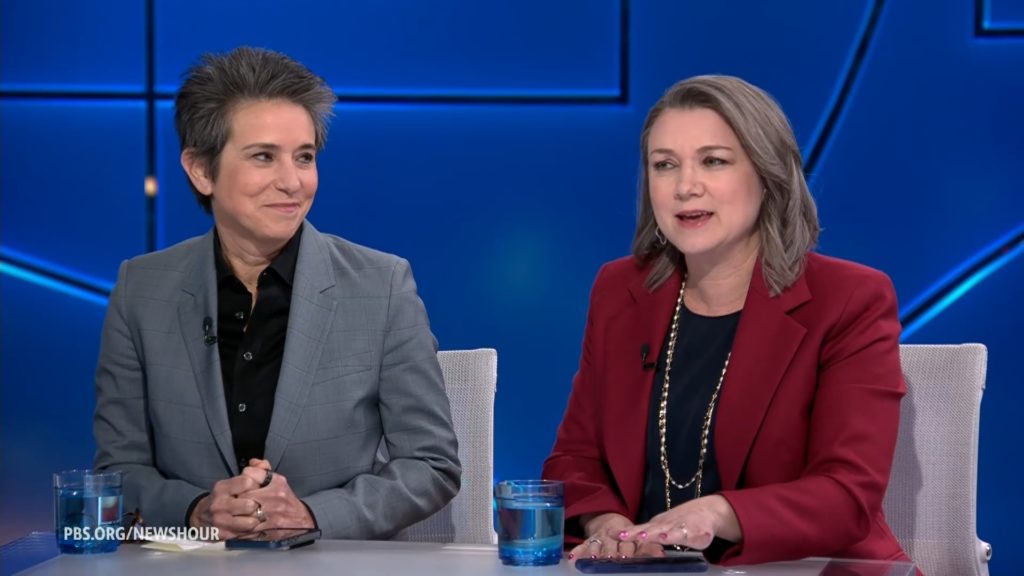
Tamara Keith and Amy Walter on the impact of Trump's push for the SAVE Act
President Trump is pushing for Senate passage of the SAVE Act, a key legislative priority that political analysts Tamara Keith of NPR and Amy Walter of the Cook Political Report discussed on PBS NewsHour. The SAVE Act, which stands for Safeguard American Voter Eligibility Act, would require proof of citizenship to register to vote in federal elections. Trump's advocacy for the measure comes as midterm election primaries are underway, potentially making voter eligibility requirements a central campaign issue for Republican candidates. The political reporters also analyzed how ongoing conflict in Iran could impact domestic politics and the midterm landscape. The timing of Trump's push suggests the administration views the SAVE Act as both a policy goal and a political tool to mobilize conservative voters ahead of the midterms.

Capitol agenda: Thune kicks off SAVE showdown - Politico
Senate Majority Leader Thune is initiating a confrontation over the SAVE Act on Capitol Hill. The story covers Thune's efforts to advance this legislative showdown as part of the Capitol's current agenda.

Schumer says SAVE Act among ‘most despicable’ bills he’s ever seen
Senate Democratic Leader Chuck Schumer has denounced the SAVE Act as one of the most despicable bills he has encountered during his legislative career. The voting reform legislation is being brought to the Senate floor by Republicans this week.
Key Facts
President Donald Trump announced he will withhold his signature from all legislation until Congress passes the Safeguard American Voter Eligibility (SAVE) Act.
Source: Mother Jones
Trump's declaration is tied to his push for a federal voter identification law.
Source: NPR
He stated he would not sign any further bills until his proposed voting bill is passed.
Source: Axios
The SAVE America Act mandates proof of citizenship for voting.
Source: Axios
Recent Highlights
News outlets report on Trump's ultimatum and its implications for legislative progress.
President Trump publicly declares he will not sign any legislation until Congress passes his voter ID bill.
Full Coverage (50 articles)
Showing 20 of 50 articles
You'll need these documents to vote if the SAVE Act passes - USA Today
The SAVE Act would require voters to present specific documents proving citizenship at the polls, changing current voting identification requirements across the country. The legislation has gained traction in Republican-controlled Congress as part of broader efforts to tighten election security, though Democrats argue it could suppress voter turnout among eligible citizens who lack the required documentation. Current voting requirements vary by state, with most accepting driver's licenses or other standard ID without citizenship verification. If passed, the law would mandate documents such as birth certificates or passports to cast ballots, fundamentally altering how Americans prove eligibility to vote. The bill reflects an ongoing partisan divide over election integrity measures and voting access.
Here’s what’s in Trump’s SAVE America Act
President Trump is pushing the Senate to pass his Safeguard American Voter Eligibility (SAVE) America Act, which has become a top legislative priority for his administration this week. The bill faces unified Democratic opposition in the upper chamber, making passage unlikely despite Trump's strong advocacy for the measure. The legislation appears focused on voter eligibility requirements, though it confronts significant political headwinds in a closely divided Senate. The SAVE Act represents a key component of Trump's election integrity agenda, but Democratic resistance suggests it will struggle to gain the necessary votes for approval. This legislative battle highlights the ongoing partisan divide over voting laws and election procedures that has persisted since Trump's return to office.
Tamara Keith and Amy Walter on the impact of Trump's push for the SAVE Act
President Trump is pushing for Senate passage of the SAVE Act, a key legislative priority that political analysts Tamara Keith of NPR and Amy Walter of the Cook Political Report discussed on PBS NewsHour. The SAVE Act, which stands for Safeguard American Voter Eligibility Act, would require proof of citizenship to register to vote in federal elections. Trump's advocacy for the measure comes as midterm election primaries are underway, potentially making voter eligibility requirements a central campaign issue for Republican candidates. The political reporters also analyzed how ongoing conflict in Iran could impact domestic politics and the midterm landscape. The timing of Trump's push suggests the administration views the SAVE Act as both a policy goal and a political tool to mobilize conservative voters ahead of the midterms.
Capitol agenda: Thune kicks off SAVE showdown - Politico
Senate Majority Leader Thune is initiating a confrontation over the SAVE Act on Capitol Hill. The story covers Thune's efforts to advance this legislative showdown as part of the Capitol's current agenda.
Schumer says SAVE Act among ‘most despicable’ bills he’s ever seen
Senate Democratic Leader Chuck Schumer has denounced the SAVE Act as one of the most despicable bills he has encountered during his legislative career. The voting reform legislation is being brought to the Senate floor by Republicans this week.
Senate prepares for marathon SAVE America Act debate - The Hill
The Senate is preparing for an extended debate on the SAVE America Act, setting the stage for what could be a lengthy legislative battle. The bill represents a significant piece of legislation that will likely face intense scrutiny and procedural maneuvering from both parties during floor consideration. Senate leadership is bracing for marathon sessions as lawmakers prepare to offer amendments and engage in comprehensive debate over the measure's provisions. The extended debate schedule signals the contentious nature of the legislation and suggests that passage could take several days or weeks depending on the scope of amendments proposed. The outcome will test the Trump administration's legislative priorities and the Senate's ability to navigate complex procedural hurdles.
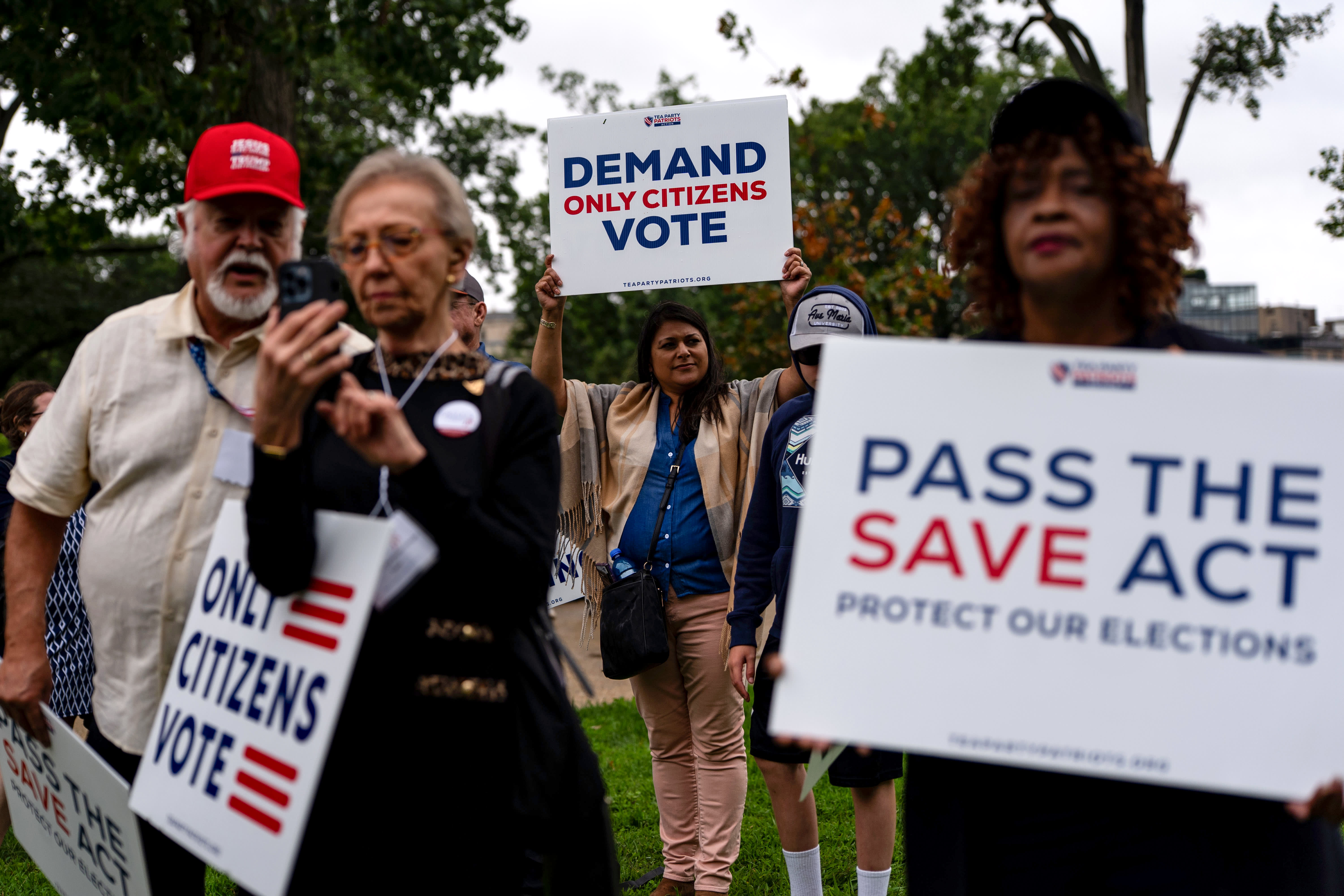
Senate Democrats oppose SAVE America Act as Republicans prepare for floor vote. What to know - CNBC
Senate Democrats are opposing the SAVE America Act as Republicans prepare to bring the legislation to a floor vote. The story covers what readers need to know about this developing political battle over the proposed legislation.

If students want to understand politics, they should start with Ancient Rome
A student who has studied Latin and Roman history for five years argues that understanding Ancient Rome is essential for comprehending modern politics. The student points to the Roman Republic's fall roughly 2,000 years ago, including Julius Caesar's assassination 2,069 years ago, as events that continue to influence contemporary political engagement. The argument suggests that Roman history provides crucial lessons for today's political landscape. Students seeking to understand current politics should begin their education with Ancient Roman political systems and their eventual collapse.

This DHS Official Oversees the Security of Federal Elections. He Wants to Ban Voting Machines.
David Harvilicz, the Department of Homeland Security assistant secretary who sets policy on protecting election infrastructure including voting machines, has called for banning voting machines in federal elections and co-founded a company with James Penrose, who helped push debunked conspiracy theories about the 2020 election. Harvilicz was appointed to the DHS role around July and has posted on social media that "DHS needs to ban voting machines for all federal elections," while his team has been facilitating Trump administration efforts to scour voter rolls for noncitizens. Election experts and current DHS officials say his position is concerning given the administration's unprecedented steps to relitigate 2020 election claims, including the FBI's seizure of voting records from Fulton County, Georgia. Harvilicz's team includes Heather Honey, previously a leader in the Election Integrity Network that has challenged American election systems, and officials worry he could help the administration gain control of voting machines if Republicans lose seats in upcoming midterms. Current DHS officials say it would be "super easy for them to get the voting machines" and describe results as they want if they don't like election outcomes.

House Republicans threaten to oppose Senate bills until SAVE America Act passes
House Republicans are threatening to block all Senate-passed legislation until the upper chamber advances the Safeguard American Voter Eligibility (SAVE) America Act, a GOP-backed voting requirements bill. Rep. Brandon Gill (R-Texas) announced he will vote "no" on all Senate bills except DHS funding until the Senate passes the SAVE America Act.
Florida's Legislature passes its version of SAVE America Act. But there's a catch. - Politico
Florida's Legislature has passed its own version of the SAVE America Act, though the legislation comes with unspecified conditions or limitations. The SAVE America Act typically refers to legislation aimed at election integrity measures, including voter ID requirements and other voting procedures. The "catch" suggests Florida's version may differ significantly from federal proposals or include provisions that could complicate its implementation. This move positions Florida among states taking independent action on election laws, potentially setting up conflicts with federal oversight or creating a template for other Republican-led states. The legislation's specific limitations could affect how voter registration, ballot access, or election procedures are conducted in Florida.

With Disputed Legal Maneuver, Trump Tries to Set Policy Without Legislation
The Trump administration is utilizing courts to implement significant policy changes by suing Republican states and reversing positions in established legal cases. This approach allows the administration to fast-track major policy shifts without relying on new legislation. The article does not specify which particular policies, states, or cases are involved, nor does it detail specific data, systems, or documented consequences.
Tensions rise in Congress over Trump's elections bill and DHS funding lapse
President Trump is pushing Congress to pass the SAVE America Act, which could affect millions of American registered voters, while lawmakers remain deadlocked over Department of Homeland Security funding. CBS News' Taurean Small is reporting on the congressional disputes over both measures.
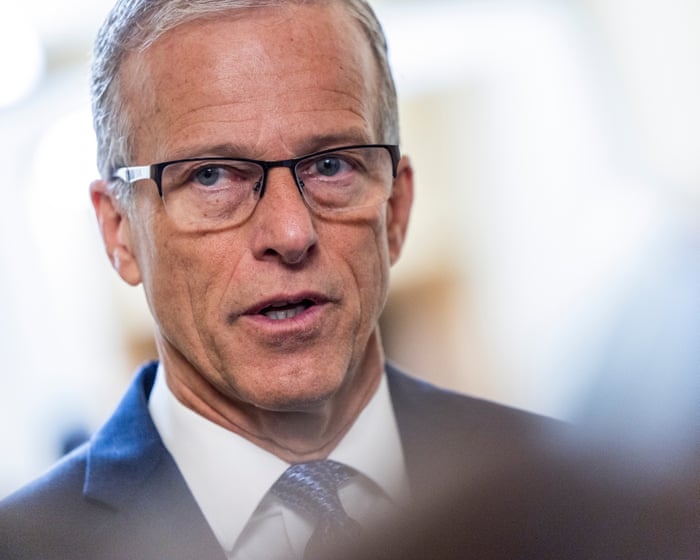
Republicans add to pressure on Senate majority leader after Trump voter ID bill call – US politics live
Republicans are joining President Trump's demand for Senate Majority Leader John Thune to push through the Save America Act, a voter ID bill. Democratic lawmakers Adam Schiff and Dave Min have asked the Department of Justice to examine potential conflicts of interest involving Attorney General Pam Bondi and her lawyer brother Brad. The Democrats say they have been waiting since December 16 for information about whether DOJ properly implemented firewalls and screening procedures related to her brother. The article content appears incomplete, cutting off mid-sentence in the final paragraph.
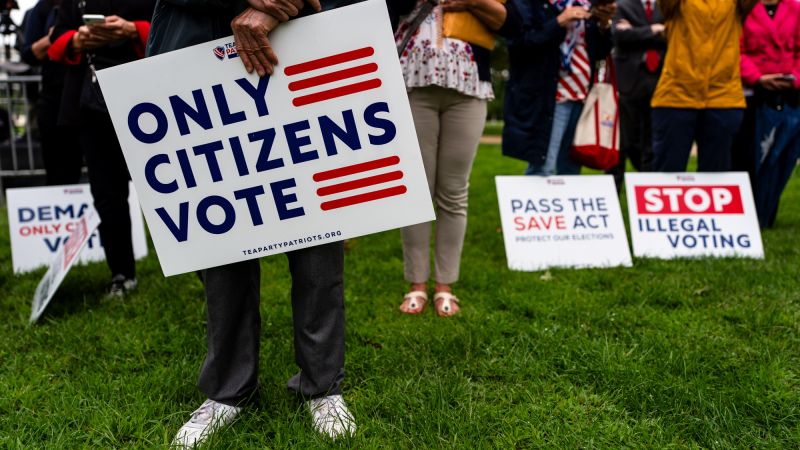
What’s in the ‘SAVE America Act’ and why is it so important to Donald Trump? - CNN
The story examines the contents of the 'SAVE America Act' and explains its significance to Donald Trump. CNN analyzes what provisions are included in this legislation and why it holds particular importance for the President.
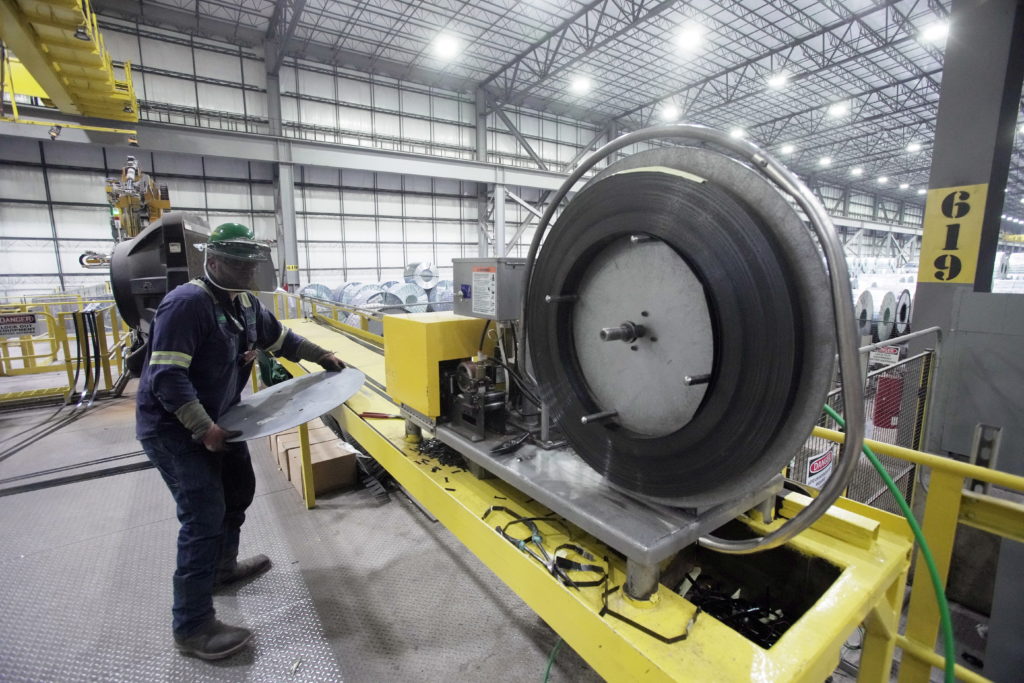
Trump administration starts new process to try to replace tariffs struck down by Supreme Court
The Trump administration initiated a new trade investigation into foreign manufacturing on Wednesday. This action follows the Supreme Court's decision to strike down President Donald Trump's prior use of tariffs, which were implemented under an economic emergency declaration. The new investigation represents an attempt to replace the tariffs that were previously deemed unconstitutional.
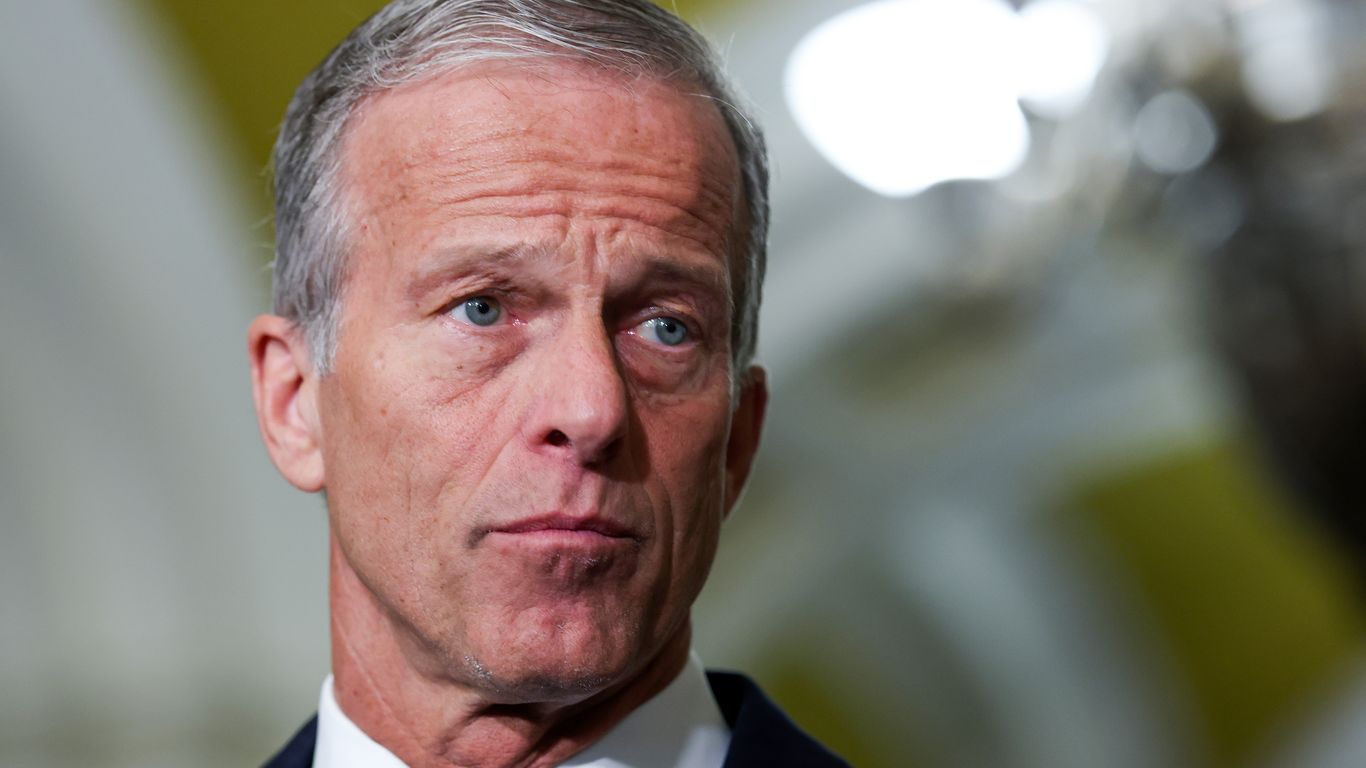
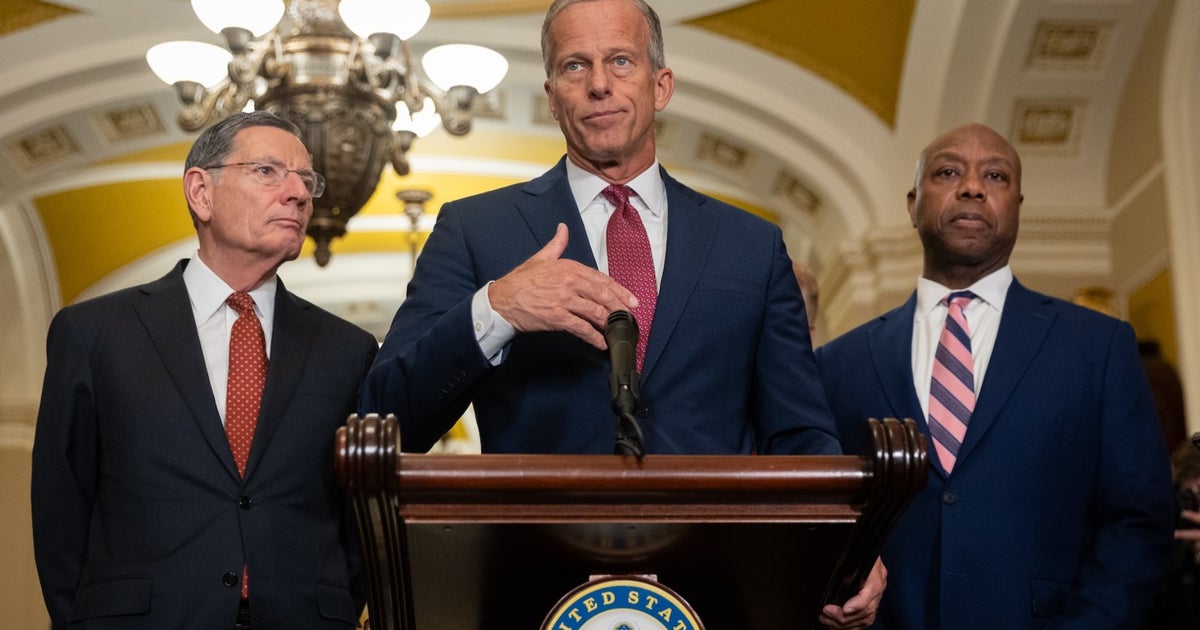
Thune eyes marathon sessions to ease MAGA anger over SAVE Act
Senate Majority Leader John Thune is exploring an open-ended debate on the SAVE America Act, potentially lasting a week or longer, to force Democrats to publicly defend their opposition. This gambit aims to address "MAGA steam" over the bill's requirement for voter ID and proof of citizenship, a key issue for former President Trump and his supporters. Thune faces pressure from Trump, who called on him to "be a leader," despite not having the votes to pass the bill or change Senate filibuster rules. The emerging plan, discussed at a Tuesday GOP lunch, involves allowing amendments to the SAVE Act, including changes suggested by Trump regarding mail-in voting and provisions on transgender minors and athletes. Senator John Cornyn (R-Texas) announced support for "whatever changes to Senate rules may prove necessary" to pass the SAVE Act, though other GOP senators do not foresee success.
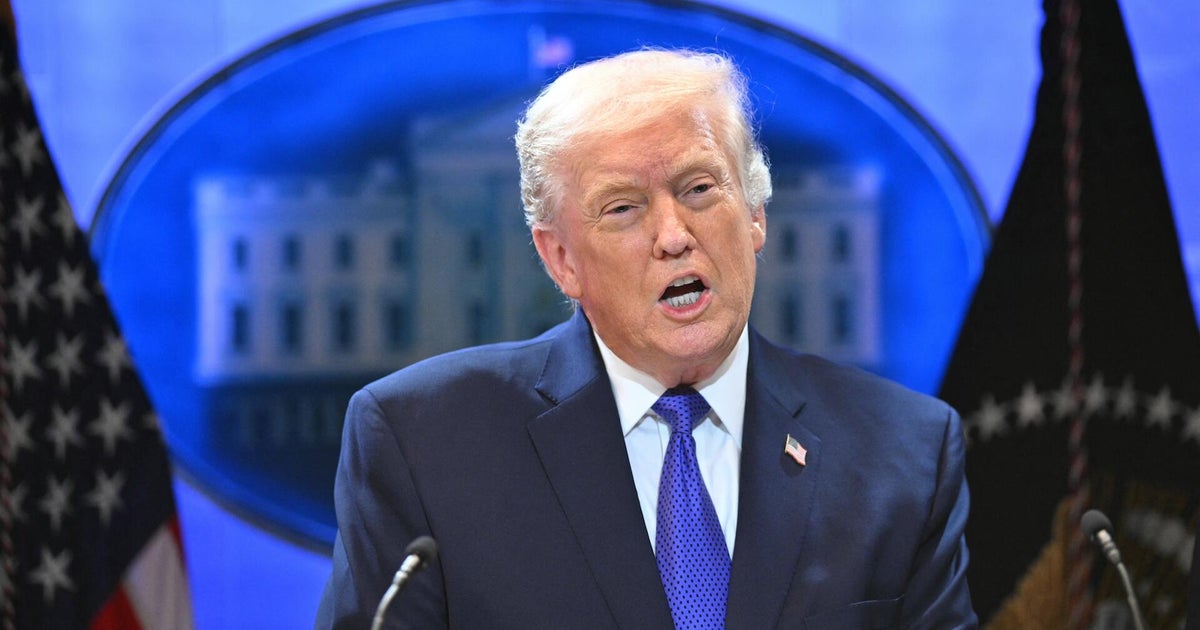
Trump administration takes steps to impose new tariffs
The Supreme Court ruled in February that the president lacks authority to impose unilateral tariffs using emergency powers law. This ruling directly constrains the Trump administration's ability to implement the new tariffs referenced in the headline.
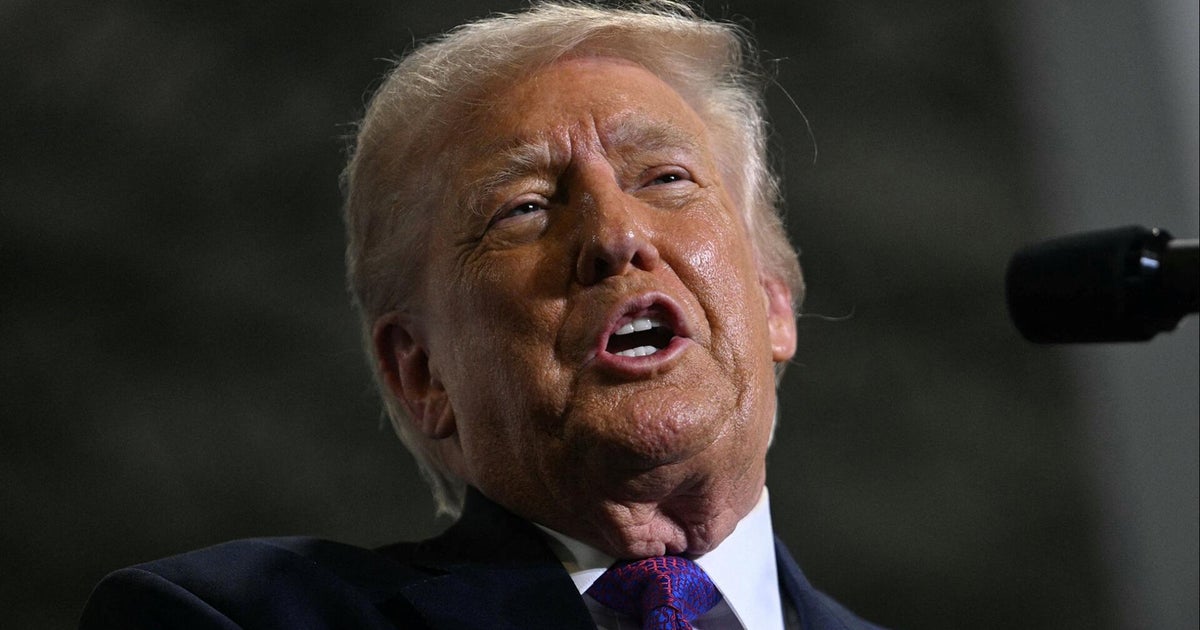
Trump threatens legislative blockade over SAVE Act
President Trump's alleged obsession with the 2020 election may stall legislation this year. He repeatedly and falsely claims the 2020 election was stolen. This situation could inject uncertainty into the midterms. CBS News justice correspondent Scott MacFarlane reports on this development.

How Trump Is Using the Paxton-Cornyn Race to Squeeze the Senate Over the SAVE Act
President Trump is leveraging the John Cornyn and Ken Paxton Senate race to pressure the Senate into passing a bill. Trump has not yet endorsed a candidate in this contest. This tactic is intended to push for the passage of the SAVE Act, which would mandate voter identification at polls. The article does not specify what data or systems were affected, why this company or event matters beyond the political maneuvering, or documented consequences beyond the stated intent.