
Economy & Markets
Monitoring the US and global economy including inflation, employment, Federal Reserve policy, trade tensions, market volatility, housing affordability, and the financial pressures facing American households.
Latest Developments
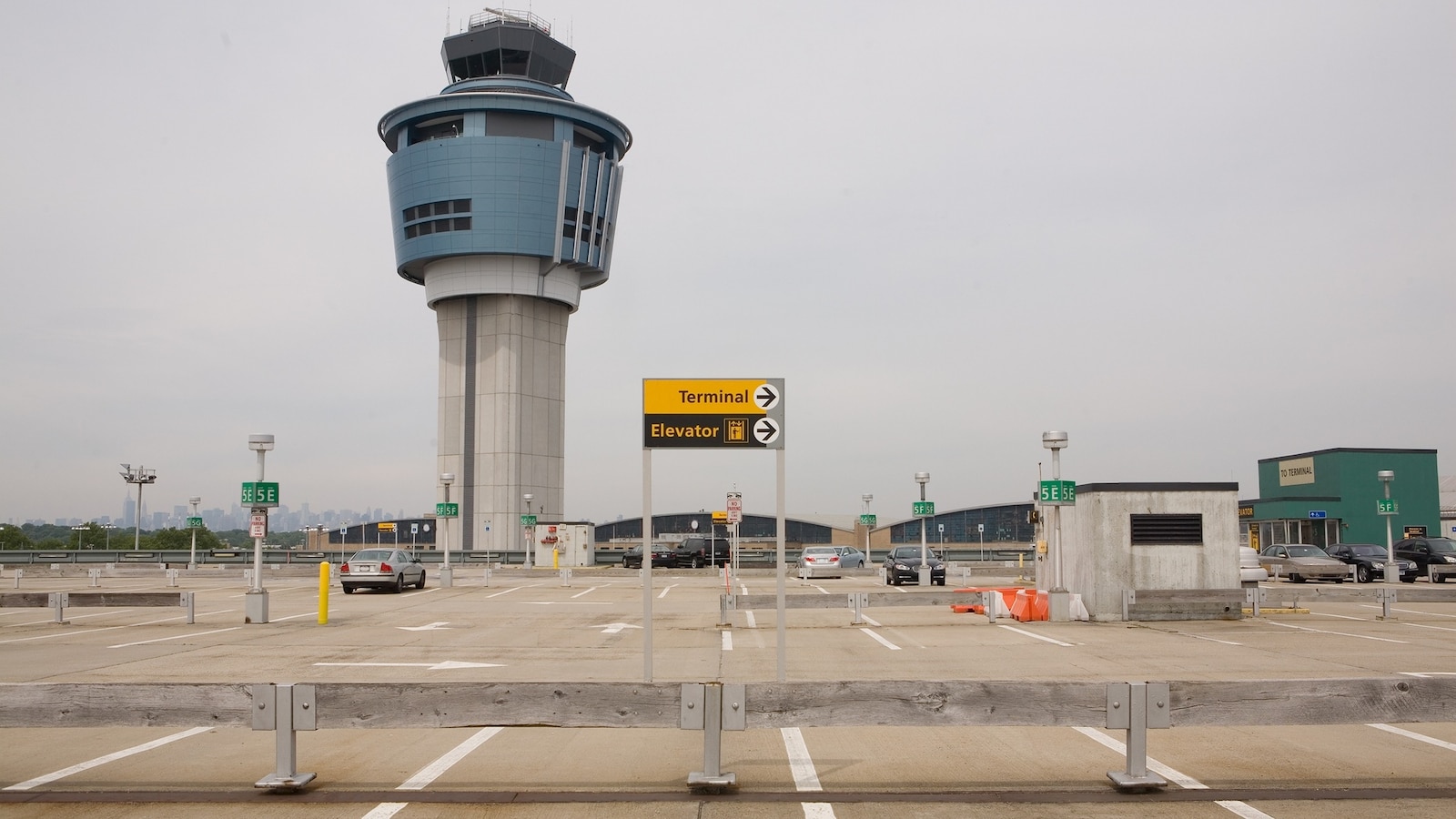
LaGuardia Airport closed following collision between Air Canada plane and vehicle
A Port Authority vehicle collided with an Air Canada regional plane at LaGuardia Airport, prompting authorities to close the airport. The incident involved ground equipment and an aircraft, disrupting operations at one of the New York area's three major commercial airports. LaGuardia handles roughly 30 million passengers annually and serves as a hub for multiple carriers. No details have been released yet regarding injuries or the extent of damage to either vehicle or aircraft. Investigators are determining the cause of the collision and the timeline for reopening.
Asia stocks slide as US and Iran threaten to intensify war - BBC
Asian stock markets declined following escalating threats between the United States and Iran that signal a potential widening of military conflict. Tensions between the two countries have historically created market volatility due to concerns about regional instability and disruptions to global oil supplies. The sell-off reflects investor anxiety about how a deeper US-Iran confrontation could ripple through energy markets and broader economic activity across Asia and globally. Rising geopolitical risk typically prompts investors to move away from equities in emerging markets, which are considered more vulnerable to external shocks. The market movement underscores how military threats in the Middle East translate quickly into financial consequences for traders worldwide.

Middle East war live: Stocks tumble as Trump and Iran threaten retaliation - Financial Times
President Trump has issued an ultimatum to Iran, prompting Tehran to threaten retaliation. The threat marks an escalation in tensions between the Trump administration and Iran over Middle East policy. Iran's response indicates a willingness to engage in direct confrontation rather than diplomatic de-escalation. The ultimatum comes as ongoing conflict continues in the region, with multiple parties engaged in active hostilities. The situation underscores the volatility of U.S.-Iran relations and the potential for further military escalation in the Middle East.

Asian stock markets plunge amid Trump’s ultimatum on Iran
Stock markets across Asia declined sharply following Trump's ultimatum directed at Iran, which has threatened attacks on regional energy infrastructure. The selloff hit major indexes in Japan, South Korea, and Hong Kong, reflecting investor concerns about potential geopolitical escalation and disruption to oil supplies in one of the world's most economically vital regions. Energy stocks and broader market sentiment have been particularly sensitive to U.S.-Iran tensions, given the region's dependence on stable crude supplies and the historical volatility such confrontations have triggered. The market reaction underscores how quickly diplomatic friction between Washington and Tehran can reverberate through global financial markets. Iran's threats against regional energy facilities amplify fears of supply disruptions that could drive oil prices higher and ripple through manufacturing and transportation sectors across Asia.

Live: Iran faces Trump Hormuz ultimatum, IEA warns of worst global energy crisis in decades
President Trump has issued Iran a deadline to open the Strait of Hormuz or face major U.S. military strikes on power plants, marking an escalation in U.S.-Iran tensions as Israel signals weeks of continued warfare. The International Energy Agency has warned the standoff poses a more severe energy crisis than the 1970s oil shocks, given Iran's strategic control of one of the world's most critical oil chokepoints. The Strait of Hormuz is a vital shipping channel through which roughly one-third of global seaborne oil passes, making any disruption to traffic a potential threat to energy markets worldwide. Israel's stated intention to extend military operations compounds the risk, as regional instability could further constrain oil supply and drive up prices globally. The convergence of Trump's ultimatum and expanding conflict creates the potential for a major disruption to global energy supplies and economic stability.
Key Facts
Federal Reserve policy continues to shape economic outlook
Source: Federal Reserve
Trade policy shifts are creating uncertainty for businesses and consumers
Source: Wall Street Journal
Housing affordability remains a top concern for American families
Source: Bureau of Labor Statistics
Labor market shows mixed signals across different sectors
Source: Bureau of Labor Statistics
Recent Highlights
Federal Reserve signals continued monitoring of inflation
Latest economic indicators show mixed signals
Full Coverage (969 articles)
Showing 20 of 969 articles
LaGuardia Airport closed following collision between Air Canada plane and vehicle
A Port Authority vehicle collided with an Air Canada regional plane at LaGuardia Airport, prompting authorities to close the airport. The incident involved ground equipment and an aircraft, disrupting operations at one of the New York area's three major commercial airports. LaGuardia handles roughly 30 million passengers annually and serves as a hub for multiple carriers. No details have been released yet regarding injuries or the extent of damage to either vehicle or aircraft. Investigators are determining the cause of the collision and the timeline for reopening.
Asia stocks slide as US and Iran threaten to intensify war - BBC
Asian stock markets declined following escalating threats between the United States and Iran that signal a potential widening of military conflict. Tensions between the two countries have historically created market volatility due to concerns about regional instability and disruptions to global oil supplies. The sell-off reflects investor anxiety about how a deeper US-Iran confrontation could ripple through energy markets and broader economic activity across Asia and globally. Rising geopolitical risk typically prompts investors to move away from equities in emerging markets, which are considered more vulnerable to external shocks. The market movement underscores how military threats in the Middle East translate quickly into financial consequences for traders worldwide.
Middle East war live: Stocks tumble as Trump and Iran threaten retaliation - Financial Times
President Trump has issued an ultimatum to Iran, prompting Tehran to threaten retaliation. The threat marks an escalation in tensions between the Trump administration and Iran over Middle East policy. Iran's response indicates a willingness to engage in direct confrontation rather than diplomatic de-escalation. The ultimatum comes as ongoing conflict continues in the region, with multiple parties engaged in active hostilities. The situation underscores the volatility of U.S.-Iran relations and the potential for further military escalation in the Middle East.
Asian stock markets plunge amid Trump’s ultimatum on Iran
Stock markets across Asia declined sharply following Trump's ultimatum directed at Iran, which has threatened attacks on regional energy infrastructure. The selloff hit major indexes in Japan, South Korea, and Hong Kong, reflecting investor concerns about potential geopolitical escalation and disruption to oil supplies in one of the world's most economically vital regions. Energy stocks and broader market sentiment have been particularly sensitive to U.S.-Iran tensions, given the region's dependence on stable crude supplies and the historical volatility such confrontations have triggered. The market reaction underscores how quickly diplomatic friction between Washington and Tehran can reverberate through global financial markets. Iran's threats against regional energy facilities amplify fears of supply disruptions that could drive oil prices higher and ripple through manufacturing and transportation sectors across Asia.
Live: Iran faces Trump Hormuz ultimatum, IEA warns of worst global energy crisis in decades
President Trump has issued Iran a deadline to open the Strait of Hormuz or face major U.S. military strikes on power plants, marking an escalation in U.S.-Iran tensions as Israel signals weeks of continued warfare. The International Energy Agency has warned the standoff poses a more severe energy crisis than the 1970s oil shocks, given Iran's strategic control of one of the world's most critical oil chokepoints. The Strait of Hormuz is a vital shipping channel through which roughly one-third of global seaborne oil passes, making any disruption to traffic a potential threat to energy markets worldwide. Israel's stated intention to extend military operations compounds the risk, as regional instability could further constrain oil supply and drive up prices globally. The convergence of Trump's ultimatum and expanding conflict creates the potential for a major disruption to global energy supplies and economic stability.
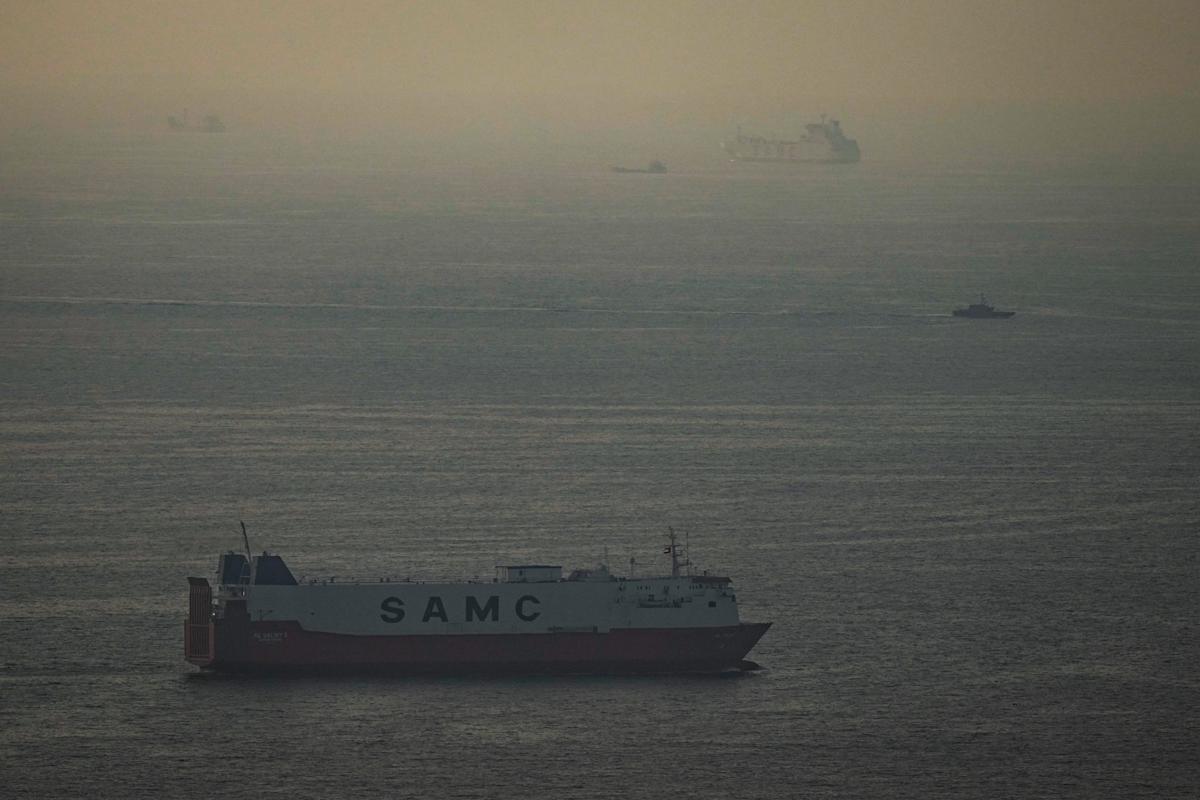
Trump and Iran Hurl War Threats With Hormuz Crisis Building - Yahoo Finance
President Trump and Iranian officials are escalating military rhetoric amid a crisis in the Strait of Hormuz, a critical chokepoint through which roughly one-fifth of global oil flows. The tensions reflect the Trump administration's hardline approach toward Iran following the U.S. withdrawal from the 2015 nuclear deal in his first term and reimposition of sanctions. Control of the Hormuz Strait carries enormous strategic weight—any sustained disruption could spike global energy prices and destabilize international markets. Both sides have issued threats of military action, raising the risk of an unintended escalation in a region already marked by U.S.-Iran hostility. The standoff tests whether diplomacy or further military posturing will prevail as the administration navigates Middle East policy.

Markets wait for Trump and Iran to follow through on Hormuz threats that carry potentially catastrophic results - Fortune
President Trump and Iran have exchanged threats regarding the Strait of Hormuz, a critical global shipping chokepoint through which roughly one-fifth of the world's oil passes daily. Markets are monitoring whether either side will follow through on these threats, which could disrupt energy supplies and trigger broader economic consequences. Control of the strait has been a flashpoint in U.S.-Iran tensions for decades, with previous threats from both sides occasionally escalating into military confrontations. An actual blockade or military action in the waterway could spike oil prices and destabilize global trade. Investors are watching for concrete escalation signals that would indicate whether the rhetoric translates into actionable policy or military moves.

U.S. importing Korean shipbuilding techniques to save floundering industry
The Trump administration is turning to Korean shipbuilding techniques to address what it views as an economic and national security crisis in the struggling American shipbuilding sector. The move signals a shift toward importing foreign expertise as domestic yards struggle with competitiveness and capacity challenges. Reviving U.S. shipbuilding capacity carries strategic weight, as the industry is essential for maintaining naval dominance and supporting critical maritime infrastructure. By adopting proven Korean methods, American shipbuilders could potentially accelerate production timelines and reduce costs that have made domestic yards uncompetitive globally. The initiative reflects a pragmatic trade-off between nationalist manufacturing goals and the practical need to rescue an industry vital to both economic and military interests.
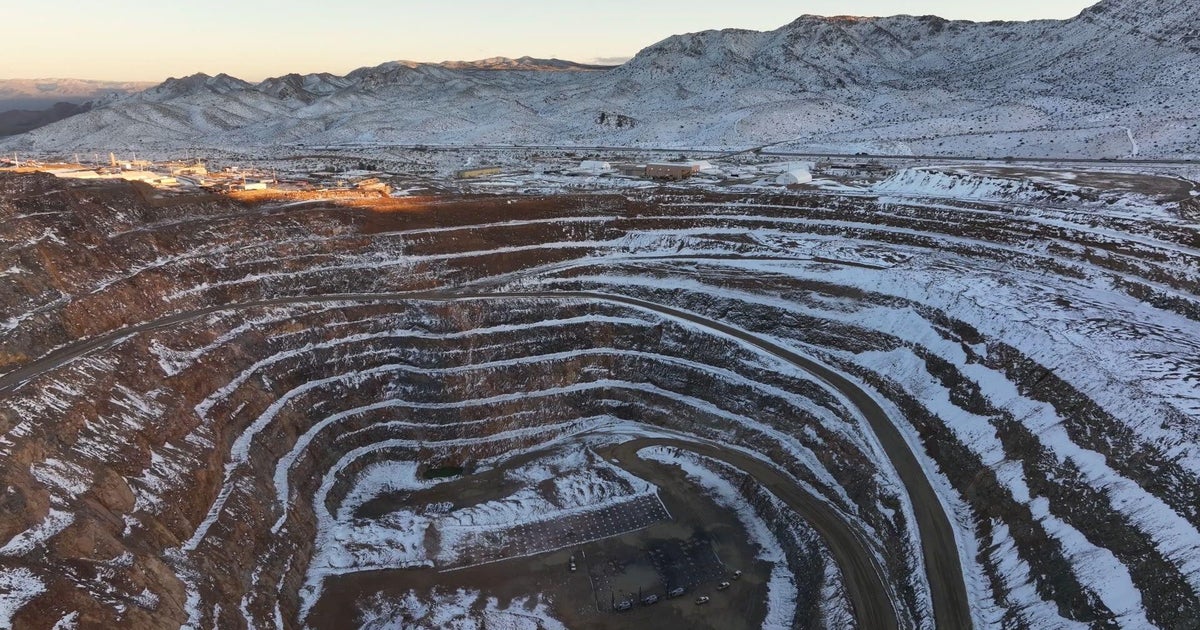
The company reviving the U.S. rare earth industry, from mine to magnet
The Trump administration has brokered a deal with a U.S. company to revive domestic rare earth production—mining, refining, and magnet manufacturing—as part of a broader strategy to reduce American dependence on China for these critical materials. Rare earths are essential components in everything from defense systems to consumer electronics, making supply chain control a significant geopolitical and economic issue. The arrangement represents an effort to rebuild domestic capacity in an industry that has largely shifted overseas over the past two decades. By consolidating the supply chain under one American company, the administration aims to secure both national security interests and reduce vulnerability to Chinese export restrictions. This move signals a shift toward strategic onshoring of critical manufacturing capabilities.
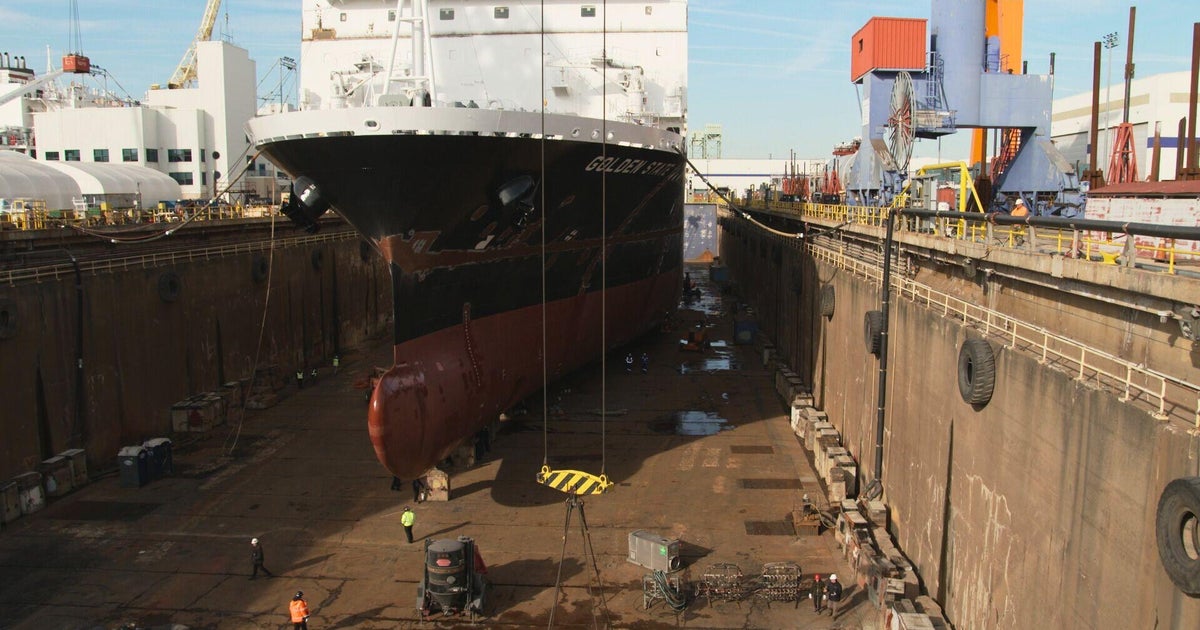
Collapse of U.S. shipbuilding poses national and economic security risks | 60 Minutes
The U.S. shipbuilding industry has deteriorated to the point where American yards produce roughly three cargo ships annually compared to China's more than 1,000, according to a 60 Minutes report. The Trump administration has characterized this disparity as a dual crisis affecting both economic competitiveness and national security, given the strategic importance of domestic maritime capacity. The collapse reflects decades of declining U.S. investment in commercial shipbuilding and a loss of industrial expertise that could hinder America's ability to transport goods and mobilize military assets during emergencies. China's dominance in shipbuilding has created a supply-chain vulnerability for the U.S. economy and raised concerns about reliance on a geopolitical rival for critical maritime infrastructure. The administration's framing suggests policy action may follow, though specific remedies remain unclear from the report.

How the G.O.P. and Democrats Are Talking About the Surge in Gas Prices
Republicans and Democrats are deploying competing arguments to explain a surge in gas prices, with the GOP largely defending itself against Democratic attacks on the issue. The article outlines five distinct rhetorical strategies from figures across both parties as they seek to frame the cause and blame for rising fuel costs. Gas prices have become a flashpoint in political messaging, as both sides attempt to control the narrative ahead of key elections and policy debates. Republicans have focused on supply-side explanations and past policies, while Democrats have targeted corporate profiteering and other factors. The dueling arguments reflect how the same economic data can be weaponized differently depending on political perspective and electoral stakes.
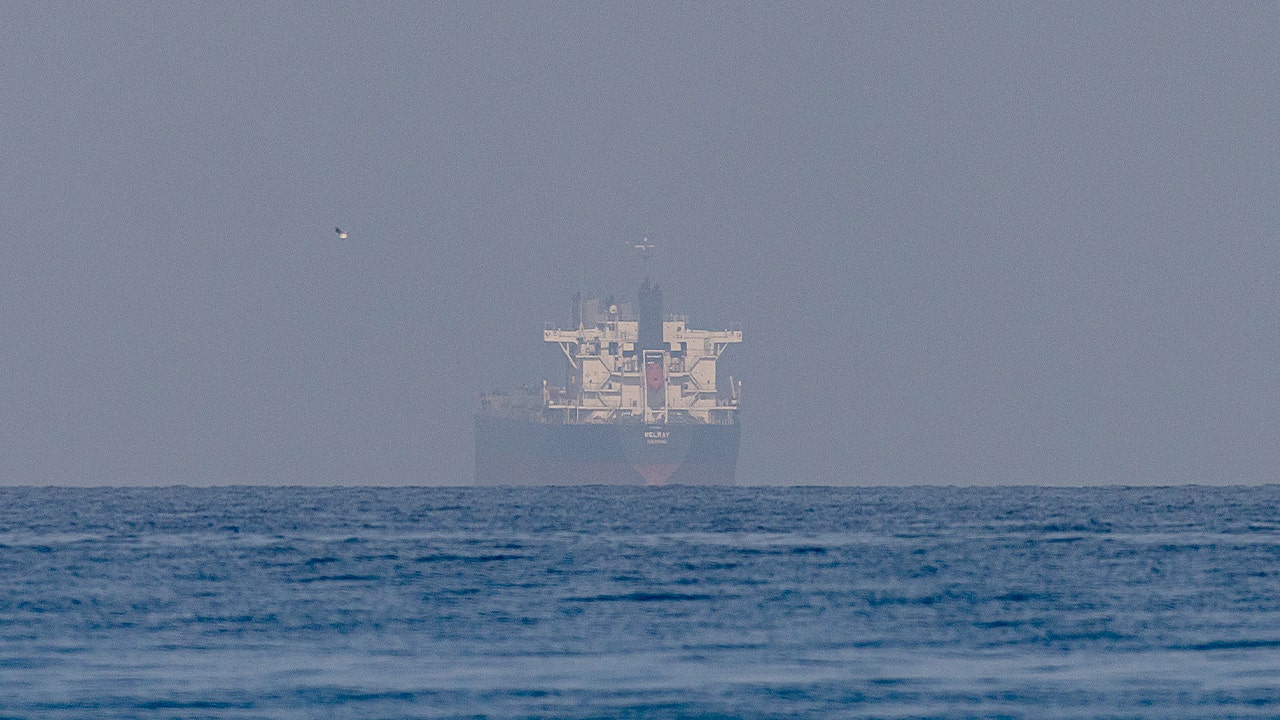
Iran chokes Strait of Hormuz with reported $2M tanker toll, regime threatens global oil supply - Fox News
Iran is reportedly charging ships $2 million to transit the Strait of Hormuz, a critical chokepoint through which roughly one-third of global maritime oil trade flows. The toll represents a hardline approach to controlling shipping through the waterway as tensions persist over Iran's nuclear program and regional military posture. Threats to disrupt oil supplies through the strait could drive up global energy prices and destabilize markets already sensitive to geopolitical risk. The Strait of Hormuz connects the Persian Gulf to the Gulf of Oman and remains one of the world's most strategically important shipping lanes. Any sustained Iranian action to choke passage could force major oil importers, particularly in Europe and Asia, to seek alternative supply routes or renegotiate terms with Tehran.
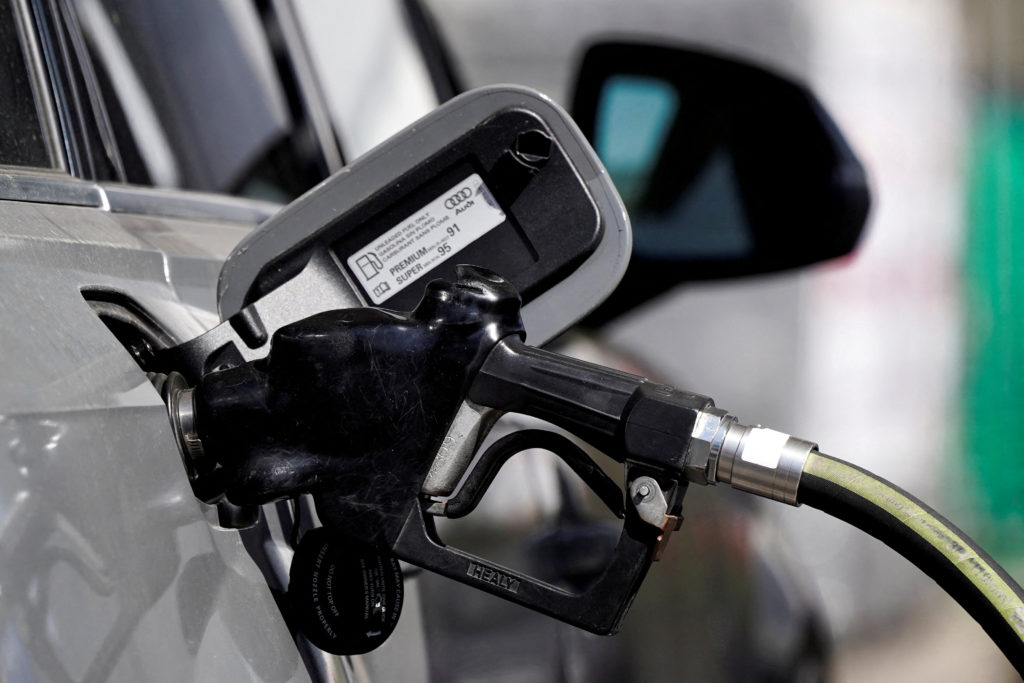
Trump touted bigger tax refunds, but higher gas prices are likely to eat them up
President Trump's tax cut legislation is generating larger refunds intended to stimulate consumer spending, but rising gasoline prices threaten to negate those gains for American households. The administration promoted the tax cuts as an economic boost, yet surging fuel costs are expected to consume much of the additional money families receive. This creates a disconnect between the promised financial relief and its actual purchasing power, potentially undermining the intended economic stimulus. Higher energy prices directly reduce discretionary spending on other goods and services, which could limit the multiplier effect policymakers anticipated from the tax legislation. The dynamic illustrates how external cost pressures can undercut fiscal policy goals regardless of the size of tax reductions.

Three golds in 28 minutes - GB makes history at World Athletics Indoor Championships
Great Britain won three gold medals within a 28-minute span at the World Athletics Indoor Championships, setting a record for the team's best performance at the competition. The consecutive golds represent an extraordinary achievement in a single session, demonstrating dominant British performances across multiple events on the same day. This medal haul underscores Britain's strength in indoor track and field and likely moves the nation higher in the overall medal standings at the championships. The rapid succession of victories—achieved in less than half an hour—is a rare feat that reflects both the quality of the British athletes competing and the timing of their events in the championship schedule.
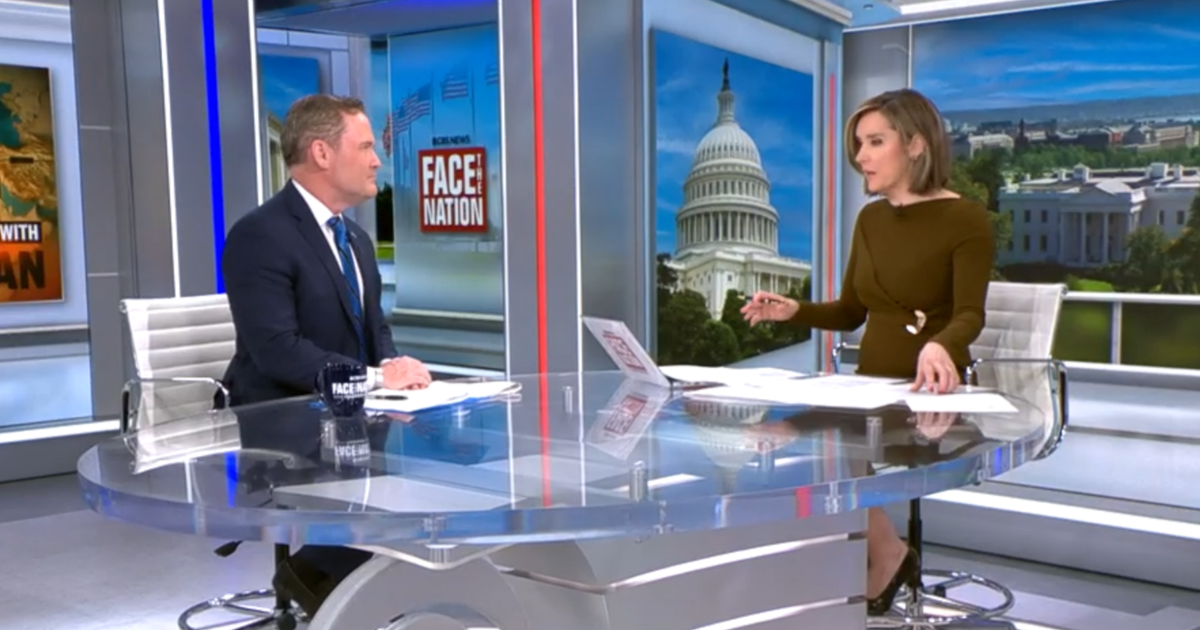
Full transcript of "Face the Nation with Margaret Brennan," March 22, 2026
U.N. Ambassador Mike Waltz and NATO Secretary General Mark Rutte appeared on "Face the Nation with Margaret Brennan" on March 22, 2026, to discuss major foreign policy issues. Waltz represents the Trump administration at the United Nations, while Rutte leads NATO at a time of ongoing global security challenges. The dual appearance suggests coordination between the U.S. and its European allies on international affairs. The broadcast provided a platform for both officials to articulate administration positions on matters likely including Russia, Ukraine, and the NATO alliance itself.

Polls close in Slovenia's highly contested parliamentary election as governing liberals face right-wing populists
Slovenian voters have cast ballots in a parliamentary election that will determine whether the country's governing liberals retain power or cede ground to right-wing populist challengers. The small EU nation faces a choice between maintaining its centrist political direction or shifting rightward, a decision that reflects broader ideological tensions playing out across Europe. The election outcome will influence Slovenia's approach to key policy areas and its standing within the European Union. Right-wing populist parties have gained traction in recent years across Central and Eastern Europe, making Slovenia's result a closely watched test of whether that momentum continues. Final results are expected to clarify which party or coalition will form the next government and set the country's policy course.
NATO leader says he expects Europe will come together on Iran - Politico
A NATO leader expressed confidence that European nations will coordinate a unified response regarding Iran, according to Politico. The statement reflects ongoing tensions over Iran's nuclear program and regional activities, issues that have divided European allies in recent years. European coordination on Iran policy has been complicated by differing national interests and diverging approaches to diplomacy versus sanctions. A coordinated NATO position would signal stronger collective leverage on Iran and align European strategy with broader Western security concerns. The timing suggests this reflects current geopolitical pressures as the Trump administration takes a harder line on Iran policy.

Jeffries tells Trump to ‘keep his reckless mouth shut’ - Politico
House Democratic Leader Hakeem Jeffries called on President Trump to "keep his reckless mouth shut," according to Politico, marking an escalation in rhetoric between the Democratic leadership and the White House. Jeffries's statement reflects deepening tensions between congressional Democrats and the Trump administration over the president's public statements and policy direction. The comment underscores the combative dynamic likely to define Trump's second term, with Democratic leaders showing little restraint in direct criticism of the president. Jeffries, as the highest-ranking Democrat in the House, carries particular weight in setting the tone for party opposition during the Republican-controlled Congress.

Washington ignores America's fiscal cliff
The Trump administration is seeking $200 billion to fund an Iran war and replenish weaponry as the U.S. faces a fiscal crisis marked by deficits projected at 6% of GDP annually for the next decade and public debt soaring to 120% of GDP by 2036. Tax legislation enacted last year is projected by the Congressional Budget Office to increase cumulative deficits by $3.4 trillion over a decade, while spending caps from a 2023 deal were not extended. Social Security could run out of funds in 2032, forcing politically toxic benefit cuts unless Congress acts, and debt service costs are on track to exceed $2 trillion annually by 2036. Despite the fiscal urgency, policymakers across parties have pursued deficit-increasing policies with little serious discussion of spending reductions, according to Maya MacGuineas, president of the Committee for a Responsible Federal Budget. Congressional efforts like the Fiscal Commission Act introduced this month have generated little momentum toward concrete legislative action.

The U.S. is a big oil exporter. So why does it import most of the oil it consumes?
The U.S. is a big oil exporter. So why does it import most of the oil it consumes?.