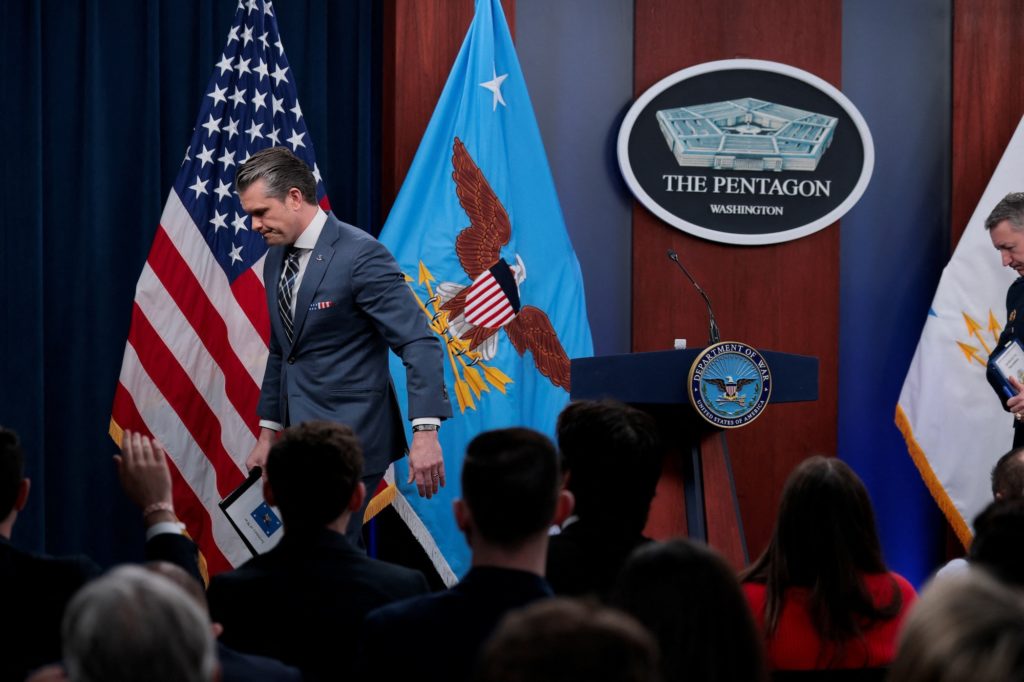
Pentagon faces another legal challenge over new media rules
Quick Insights
The Bottom Line
Pentagon issued revised media credentialing rules, but New York Times says new policy still fails court requirements and plans to sue again.
AI Summary
The Pentagon has issued revised media credentialing rules following a federal judge's rejection of its previous access policy for the Defense Department headquarters. The New York Times, which initiated the legal challenge that led to the court's strike-down, says the new Pentagon policy still fails to meet the judge's requirements and has signaled it will return to court. The dispute centers on what standards the Defense Department should use to determine which journalists can access its facilities—a fundamental question about press freedom and government transparency. Courts have historically scrutinized government restrictions on media access as potential First Amendment violations. The case suggests ongoing tension between Pentagon security protocols and media organizations' right to cover defense matters.
What's Being Done
Federal court struck down Pentagon's original access policy; New York Times signaled it will return to court over revised rules.
This article is part of a story we're tracking:
Should this be getting more attention?
You Might Have Missed
Related stories from different sources and perspectives
 Government Transparency
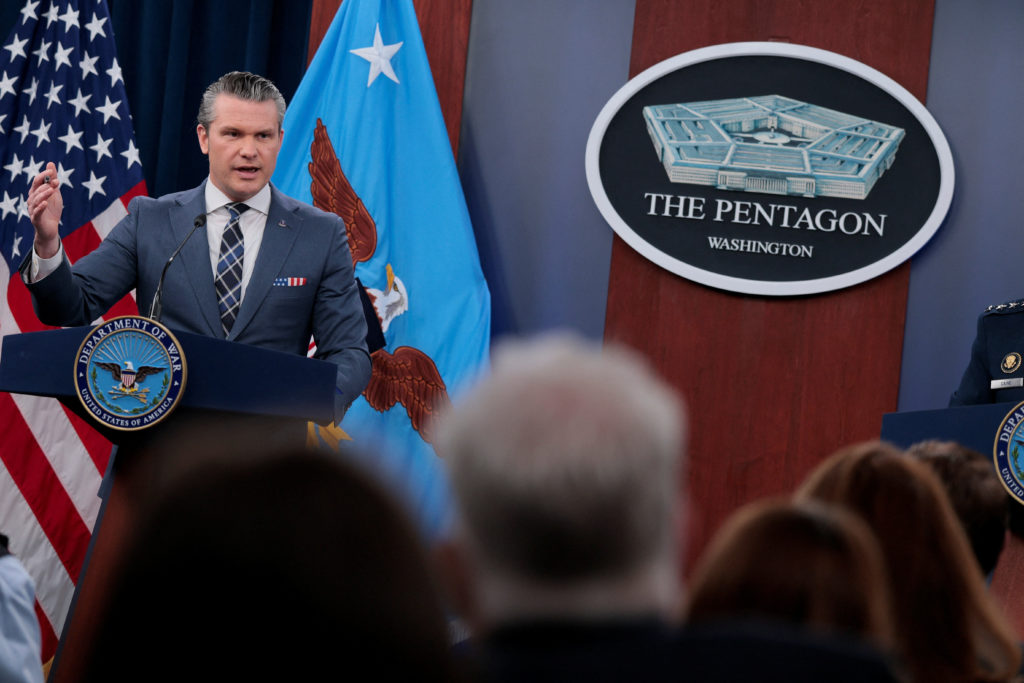
Pentagon will remove media offices after judge reinstates NYT's press credentials
The U.S. Defense Department will remove media offices from the Pentagon after a federal judge sided with The New York Times in a lawsuit challenging limits on reporters' access to the building, a department official announced Monday.
 Government Transparency
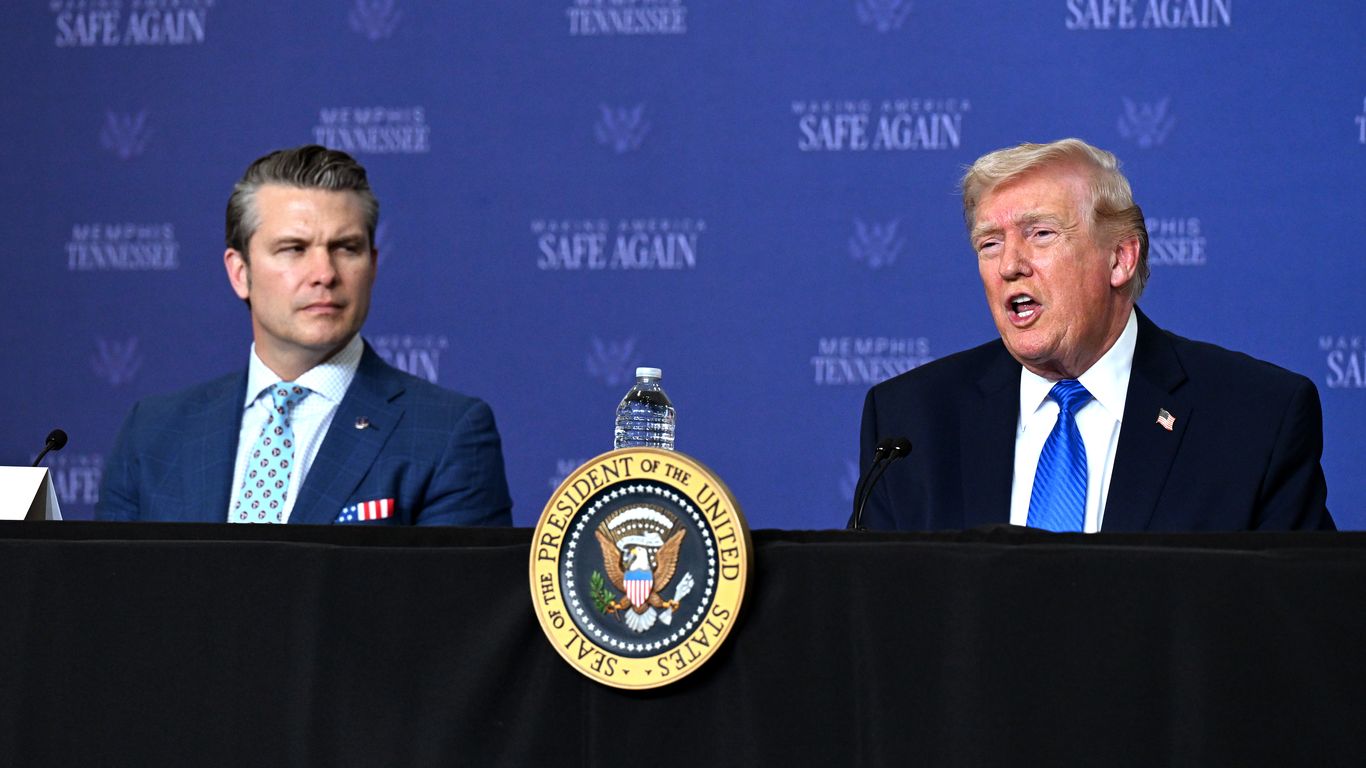
Pentagon revises rules for journalists after lawsuit loss, raising press group's ire
<p>The Department of Defense announced a new media policy on Monday, three days after a <a href="https://www.axios.com/2026/03/21/judge-blocks-pentagons-press-policy" target="_blank">federal judge ruled</a> Trump administration restrictions on Pentagon journalists were a First Amendment violation.</p><p><strong>The big picture: </strong>The Pentagon said in a <a href="https://media.defense.gov/2026/Mar/23/2003902148/-1/-1/1/IMPLEMENTATION-OF-REVISED-MEDIA-IN-BRIEF.PDF" target="_blank">memorandum</a> announcing the changes that it's complying with the ruling in the New York Times' lawsuit, but press groups accused the Trump administration of placing fresh restrictions on journalists with the new policy.</p><hr><p><strong>Zoom in: </strong>Chief Pentagon spokesperson Sean Parnell announced three new changes to the press policy in a <a href="https://www.war.gov/News/Releases/Release/Article/4441831/statement-by-chief-pentagon-spokesman-sean-parnell-on-implementation-of-revised/" target...
 Government Transparency
Pentagon Wants It to Be Illegal for Reporters to Ask “Unauthorized” Questions
The Trump admin wants to criminalize a key part of journalists doing their jobs — a broadside attack on a free press. The post Pentagon Wants It to Be Illegal for Reporters to Ask “Unauthorized” Questions appeared first on The Intercept .
 Government Transparency
Pentagon Adopts New Limits for Journalists After Court Loss
The Defense Department said it would close the Pentagon’s work area for journalists, among other changes, after a judge found the existing media policy unconstitutional.
 National Security
Anthropic challenges US Pentagon’s ban in San Francisco court showdown
Anthropic accuses Pentagon of unlawful retaliation over its refusal to loosen AI safety restrictions for military use.
 Civil Rights
Officials at Florida’s ‘Alligator Alcatraz’ must give attorneys access to clients, judge rules
<p>Authorities must also provide detainees access to free and private legal phone calls and allow lawyers to visit unannounced</p><p>A federal judge ruled on Friday that officials at Florida’s state-run immigration jail, dubbed “Alligator Alcatraz”, must give attorneys better access to their detained clients.</p><p>The <a href="https://storage.courtlistener.com/recap/gov.uscourts.flmd.446179/gov.uscourts.flmd.446179.243.0.pdf">order</a> by federal judge Sheri Polster Chappell, from the middle district of Florida, said facility officials must provide access to confidential, private, free and unmonitored outgoing legal telephone calls from people detained in the facility. Polster Chappell also ruled that attorneys are allowed to make unannounced visits to see their clients, bypassing the facility’s pre-scheduling requirement.</p> <a href="https://www.theguardian.com/us-news/2026/mar/28/florida-alligator-alcatraz-attorneys-access-clients">Continue reading...</a>
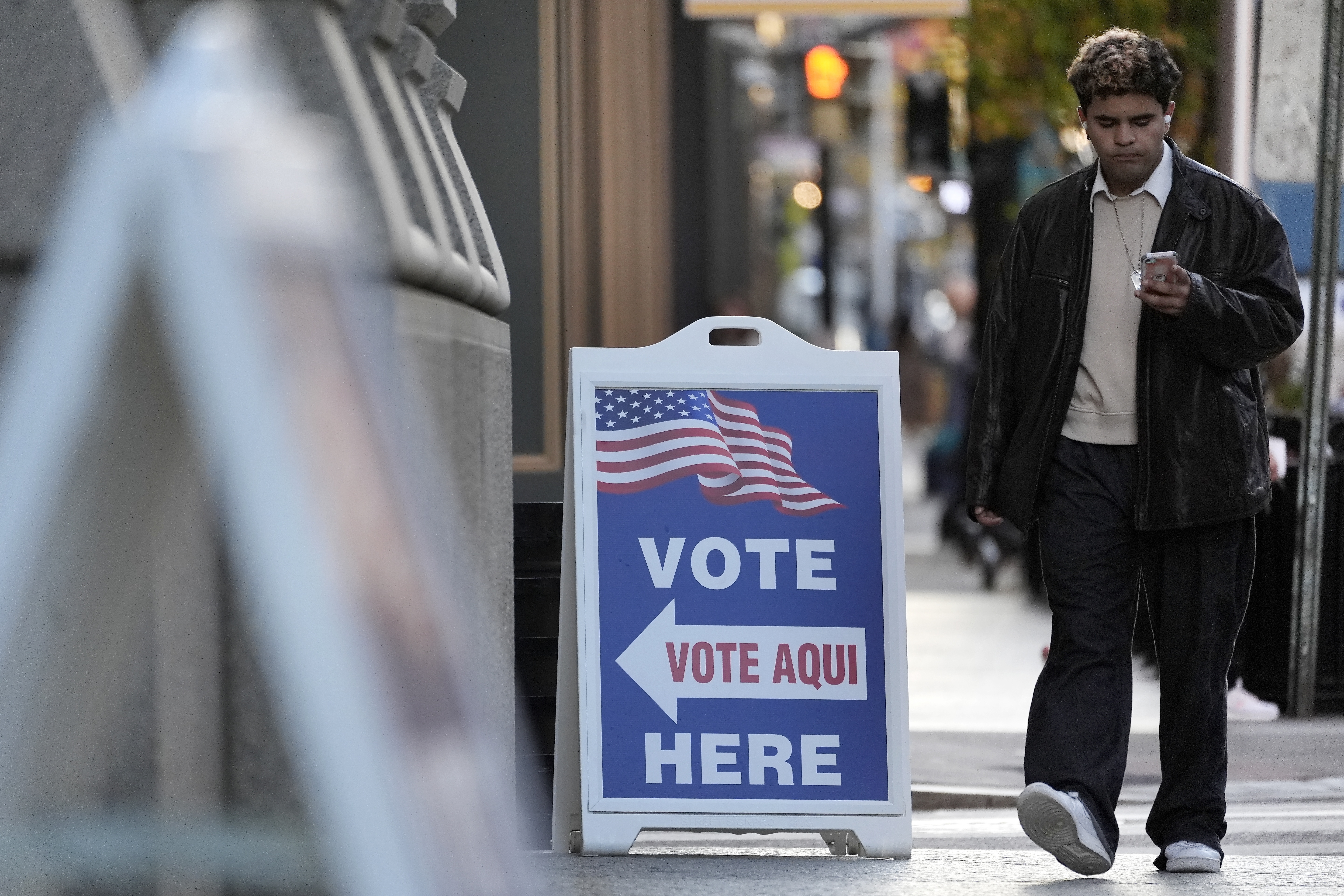
The Justice Department plans to share sensitive voter data with Homeland Security
The Justice Department has sought voter data from states. It now says it plans to share that data with the Department of Homeland Security, to run it through a controversial citizenship check tool.
Did this story change how you see things?
Stories like this only matter when people see them. Help us get verified journalism in front of more eyes.
The Verity Ledger curates verified investigative journalism from trusted sources only.
See our sourcesMost Read This Week
Fentanyl found inside Barbies sold at Missouri discount store, police say

Senate deal reached to cap insulin costs

'The gravest crime against humanity': What does the UN vote on slavery mean?

Washington ignores America's fiscal cliff

Iran built a vast camera network to control dissent. Israel used it to track targets, AP sources say